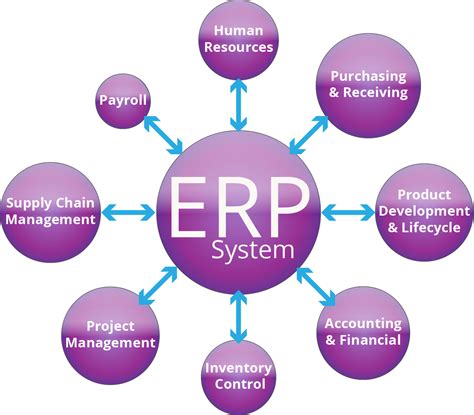
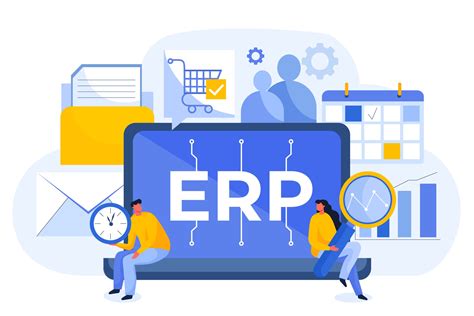
Category: ERP

  • Cloud Based Erp For Construction

    Hey there, construction industry professionals! Are you tired of dealing with inefficient workflows, delays, and discrepancies in your projects? Look no further, as cloud-based ERP solutions are here to revolutionize the way you manage your construction projects. By utilizing advanced technology, these ERP solutions streamline processes, improve communication, and provide real-time insights to help you make smarter decisions. Say goodbye to manual data entry and hello to a more efficient and cost-effective way of managing your construction projects.

    construction

    Advantages of Cloud-Based ERP for Construction Companies

    Cloud-Based ERP software offers numerous benefits to construction companies. One of the key advantages is the flexibility it provides. With cloud-based ERP, construction companies can access their data and systems from anywhere with an internet connection. This means that project managers, contractors, and other team members can collaborate and communicate effectively no matter where they are located.

    Another advantage of cloud-based ERP for construction companies is cost savings. Traditional ERP systems require significant investment in hardware, software, and IT support. With cloud-based ERP, construction companies can eliminate the need for expensive infrastructure and maintenance costs. This can result in significant cost savings over time.

    Cloud-based ERP also offers scalability, allowing construction companies to easily add or remove users and capabilities as their needs change. This flexibility is particularly important in the construction industry, where projects can vary greatly in size and scope. Cloud-based ERP allows construction companies to adjust their resources as needed without the hassle of purchasing and installing new software or hardware.

    Security is another key advantage of cloud-based ERP for construction companies. Cloud-based ERP providers invest heavily in security measures to protect their clients’ data. This includes encryption, firewalls, and regular security audits. This level of security is often beyond the capabilities of many small to medium-sized construction companies, making cloud-based ERP a secure and reliable option.

    Finally, cloud-based ERP offers improved collaboration and communication within construction companies. With real-time access to data and project information, team members can easily share updates, documents, and schedules. This leads to more efficient project management, reduced delays, and improved decision-making.

    Key Features to Look for in Cloud-Based ERP for Construction

    When selecting a cloud-based ERP system for your construction business, there are several key features that you should look for to ensure that you are getting the most value for your investment. Here are some important features to consider:

    1. Project Management: A good cloud-based ERP system for construction should have robust project management capabilities. This includes features such as project tracking, scheduling, budgeting, and resource allocation. The system should allow you to easily track the progress of each project, assign tasks to team members, and monitor costs in real-time. Look for a system that offers customizable dashboards and reports to help you stay on top of all your projects.

    2. Collaboration Tools: Collaboration is essential in the construction industry, as projects involve multiple stakeholders working together to achieve a common goal. Look for a cloud-based ERP system that offers collaboration tools such as project portals, document sharing, and communication channels. These tools will help your team members communicate effectively, share files and updates in real-time, and stay organized throughout the project lifecycle.

    Furthermore, the system should allow for easy integration with external applications, such as scheduling tools, CRM systems, and accounting software. This will streamline your workflows and ensure that all your business processes are connected and cohesive.

    3. Mobile Access: In today’s fast-paced business environment, it is crucial to have access to your ERP system anytime, anywhere. Look for a cloud-based ERP system that offers mobile access, so you can manage your construction projects on the go. Whether you are on-site, in a meeting, or traveling, you should be able to access your project data, update schedules, and communicate with your team members from your mobile device.

    4. Scalability: As your construction business grows, your ERP system should be able to scale with you. Look for a cloud-based ERP system that can accommodate your changing needs and support new projects, team members, and workflows. The system should be flexible enough to adapt to your business requirements without requiring costly upgrades or customizations.

    5. Security: Construction data is sensitive and valuable, so it is important to choose a cloud-based ERP system that prioritizes security. Look for a system that offers robust data encryption, secure user authentication, and regular data backups. Additionally, the system should comply with industry regulations and standards to ensure that your data is protected at all times.

    By considering these key features when selecting a cloud-based ERP system for your construction business, you can ensure that you are investing in a solution that will help you streamline your operations, improve collaboration, and achieve greater success in your projects.

    Implementing a Cloud-Based ERP System in the Construction Industry

    Cloud-based ERP systems have revolutionized the way construction companies manage their operations. By transitioning to a cloud-based ERP system, construction firms can streamline their processes, improve efficiency, and gain a competitive edge in the industry. Implementing a cloud-based ERP system in the construction industry involves several key steps that are crucial for a successful transition.

    The first step in implementing a cloud-based ERP system in the construction industry is to conduct a thorough assessment of the company’s current processes and systems. This evaluation helps identify areas that can be improved through the implementation of an ERP system. It is essential to involve key stakeholders from different departments in this assessment to ensure that the new system meets the needs of all users.

    Once the assessment is complete, the next step is to select the right cloud-based ERP system that aligns with the company’s requirements and goals. It is important to consider factors such as scalability, flexibility, and ease of integration when choosing an ERP solution. Additionally, selecting a system that offers industry-specific features tailored to the construction sector can further enhance the benefits of the ERP implementation.

    After selecting the appropriate cloud-based ERP system, the next phase of implementation involves planning and customization. This step includes configuring the ERP system to meet the specific needs of the construction company, such as project management, resource allocation, and financial management. Customizing the system ensures that it aligns with the company’s unique processes and workflows, enabling a seamless transition to the new ERP system.

    Training and change management are essential components of implementing a cloud-based ERP system in the construction industry. Providing training to employees on how to use the new system effectively is crucial for maximizing its benefits. Additionally, implementing change management strategies to address resistance to change and ensure smooth adoption of the ERP system is key to the success of the implementation process.

    Once the cloud-based ERP system is fully implemented, ongoing support and maintenance are vital to ensure its continued success. Regular system updates, monitoring performance, and addressing issues promptly are necessary to optimize the system’s functionality and efficiency. Continuous training and improvement initiatives can help employees make the most of the ERP system and drive business growth in the construction industry.

    Case Studies of Successful Cloud-Based ERP Implementations in Construction

    When it comes to implementing a cloud-based ERP system in the construction industry, there are several success stories that stand out. These case studies highlight how companies have successfully leveraged the power of cloud-based ERP to streamline their processes, improve communication, and ultimately drive business growth. Let’s take a closer look at some of these success stories.

    Case Study 1: XYZ Construction Company

    XYZ Construction Company, a mid-sized construction firm, was facing challenges with managing their projects efficiently. They were dealing with delays, cost overruns, and poor communication between project teams. After implementing a cloud-based ERP system, they were able to centralize all project data in one platform, allowing for real-time collaboration and visibility. This led to a significant decrease in project delays and cost overruns, ultimately improving their bottom line.

    Case Study 2: ABC Builders

    ABC Builders, a residential construction company, struggled with manual processes and siloed data that hindered their ability to scale their business. By switching to a cloud-based ERP solution, they were able to automate many of their manual processes, such as billing and project management. This not only saved them time and resources but also allowed them to take on more projects without sacrificing quality.

    Case Study 3: DEF Engineering

    DEF Engineering, a construction engineering firm, was finding it difficult to keep up with the demands of their clients due to inefficient project management practices. After implementing a cloud-based ERP system, they were able to streamline their project workflows, improve resource allocation, and enhance communication between teams. As a result, they were able to deliver projects on time and within budget, leading to an increase in client satisfaction and repeat business.

    Case Study 4: GHI Contractors

    GHI Contractors, a large-scale commercial construction company, was struggling to manage their complex projects across multiple locations. With the implementation of a cloud-based ERP system, they were able to centralize all project data and communication, allowing for better collaboration between teams. This resulted in improved project visibility, reduced errors, and faster decision-making. Additionally, GHI Contractors were able to scale their operations more effectively, leading to increased profitability and market share.

    These case studies demonstrate the transformative impact that cloud-based ERP systems can have on construction companies of all sizes. By embracing this technology, companies can improve efficiency, reduce costs, and ultimately drive business growth in today’s competitive market.

    Future Trends and Developments in Cloud-Based ERP for Construction Sector

    Cloud-based ERP systems have been gaining popularity in the construction sector due to their numerous benefits in terms of efficiency, cost-effectiveness, and scalability. As technology continues to advance at a rapid pace, there are several future trends and developments that are expected to shape the cloud-based ERP landscape for the construction industry.

    1. Artificial Intelligence (AI) Integration: One of the most significant trends in cloud-based ERP for construction is the integration of artificial intelligence. AI can automate repetitive tasks, improve decision-making processes, and provide valuable insights for project management. By incorporating AI into cloud-based ERP systems, construction companies can streamline their operations and enhance overall productivity.

    2. Internet of Things (IoT) Connectivity: The Internet of Things has already begun to revolutionize the construction industry by enabling real-time monitoring of equipment, materials, and workforce. Cloud-based ERP systems can leverage IoT connectivity to gather important data and provide actionable insights for project managers. This trend is expected to continue growing as more construction companies adopt IoT technology.

    3. Enhanced Data Analytics: Data analytics plays a crucial role in helping construction companies make informed decisions and optimize their operations. Cloud-based ERP systems are expected to become more sophisticated in terms of data analytics capabilities, allowing construction firms to analyze big data more effectively and improve their project performance. This trend will empower construction companies to stay competitive in a fast-paced industry.

    4. Mobile Accessibility: With the increasing reliance on mobile devices in the construction sector, cloud-based ERP systems are expected to become more accessible and user-friendly on mobile platforms. Construction managers and field workers need to have real-time access to critical information and updates while on the go. Cloud-based ERP systems that are mobile-friendly will facilitate better communication, collaboration, and decision-making in construction projects.

    5. Enhanced Collaboration Tools: Collaboration is key in the construction industry, as projects involve multiple stakeholders and teams working together towards a common goal. Future developments in cloud-based ERP systems for construction will focus on enhancing collaboration tools, such as real-time messaging, document sharing, and project tracking. These tools will enable more seamless communication and teamwork among project participants, leading to improved project outcomes.

    In conclusion, the future of cloud-based ERP for the construction sector looks promising, with advancements in AI integration, IoT connectivity, data analytics, mobile accessibility, and collaboration tools. Construction companies that embrace these trends and developments will be able to enhance their operational efficiency, decision-making processes, and overall project success in the long run.
  • Cloud Based Erp Manufacturing

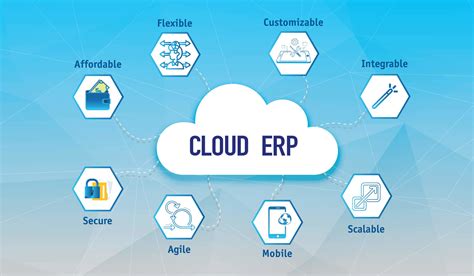
    Welcome to the world of cloud-based ERP manufacturing, where efficiency meets flexibility in the digital age. Gone are the days of traditional, on-premise ERP systems that require costly maintenance and limited accessibility. With cloud-based ERP manufacturing, businesses can streamline their operations, improve collaboration, and adapt to changing market demands with ease. Whether you’re a small startup or a large enterprise, the advantages of cloud-based ERP manufacturing are undeniable. Say goodbye to outdated systems and hello to a more agile, connected future.

    cloud-based-erp

    Overview of Cloud-Based ERP Manufacturing

    Cloud-based ERP manufacturing is a modern approach to managing manufacturing operations through the cloud. Instead of relying on traditional on-premise software, businesses now have the option to use cloud-based software that can be accessed from anywhere with an internet connection. This allows for greater flexibility, scalability, and cost-effectiveness compared to traditional ERP systems.

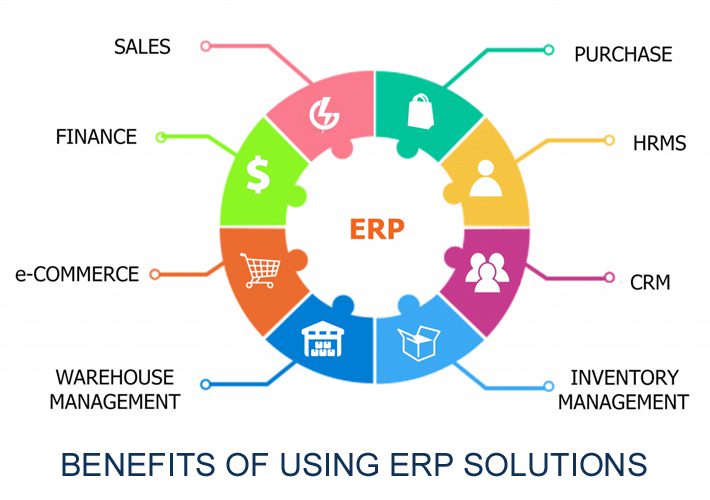
    Cloud-based ERP manufacturing systems offer a wide range of features and functionalities designed specifically for the manufacturing industry. These systems typically include modules for inventory management, production planning, quality control, supply chain management, and more. By centralizing all of these functions in one system, manufacturers can streamline their processes and improve efficiency.

    One of the key benefits of cloud-based ERP manufacturing is its scalability. As your business grows, you can easily add new users, modules, or features to your ERP system without the need for expensive hardware upgrades or installations. This flexibility allows manufacturers to adapt to changing market conditions and scale their operations as needed.

    Another advantage of cloud-based ERP manufacturing is accessibility. With a cloud-based system, employees can access the ERP software from any device with an internet connection, making it easier to collaborate and communicate across different departments or locations. This accessibility also allows for real-time monitoring of manufacturing operations and the ability to make data-driven decisions more quickly.

    In addition to flexibility and accessibility, cloud-based ERP manufacturing systems also offer cost savings. By eliminating the need for on-premise hardware and maintenance, businesses can reduce their IT costs and improve their overall bottom line. Cloud-based ERP systems also typically operate on a subscription-based model, which means that businesses only pay for the features and users they need, making it a cost-effective solution for manufacturers of all sizes.

    Overall, cloud-based ERP manufacturing offers a modern, flexible, and cost-effective solution for managing manufacturing operations. By leveraging the power of the cloud, businesses can streamline their processes, improve efficiency, and adapt to changing market conditions more easily. With its scalability, accessibility, and cost savings, cloud-based ERP manufacturing is becoming an increasingly popular choice for manufacturers looking to stay competitive in today’s fast-paced business environment.

    Benefits of Implementing Cloud-Based ERP in Manufacturing

    Cloud-based ERP systems offer numerous benefits for manufacturing companies looking to streamline operations, improve efficiency, and stay competitive in the ever-evolving industry. Here are some of the key advantages of implementing a cloud-based ERP system in manufacturing:

    1. Cost-Effective Solution: One of the main benefits of utilizing a cloud-based ERP system in manufacturing is cost savings. Traditional on-premise ERP systems require a significant upfront investment in hardware, software, and IT infrastructure. In contrast, cloud-based ERP solutions operate on a subscription-based model, reducing upfront costs and allowing manufacturers to pay only for the resources they need. This cost-effective approach is particularly beneficial for small and medium-sized manufacturers with limited IT budgets.

    2. Scalability and Flexibility: Cloud-based ERP systems are highly scalable and flexible, allowing manufacturers to easily adjust their resources based on changing business needs. Whether a company is experiencing rapid growth or seasonal fluctuations in demand, a cloud-based ERP system can quickly scale up or down to accommodate these changes. This scalability and flexibility enable manufacturers to adapt to market dynamics, take advantage of new opportunities, and remain agile in a competitive landscape.

    3. Improved Accessibility and Collaboration: Cloud-based ERP systems provide manufacturers with real-time access to critical business data from anywhere with an internet connection. This accessibility allows employees to collaborate seamlessly, whether they are working on the shop floor, in the office, or remotely. By centralizing data in a cloud-based system, manufacturers can ensure that all departments are operating off the same information, leading to better decision-making, increased productivity, and improved communication across the organization.

    4. Enhanced Security and Data Backup: Security concerns are a top priority for manufacturing companies, especially when it comes to sensitive business data and intellectual property. Cloud-based ERP systems offer robust security features, including encryption, user authentication, and data backup protocols, to protect against cybersecurity threats and data breaches. By storing data in the cloud, manufacturers can also ensure that their information is backed up regularly and securely, reducing the risk of data loss due to hardware failures or disasters.

    5. Streamlined and Automated Processes: Cloud-based ERP systems streamline manufacturing processes by automating manual tasks, reducing errors, and improving overall efficiency. By integrating various functions such as inventory management, production planning, and order processing into a single system, manufacturers can eliminate silos, reduce duplication of effort, and gain a holistic view of their operations. This streamlining of processes enables manufacturers to make faster, more informed decisions, optimize their workflows, and deliver high-quality products to customers on time.

    Overall, the benefits of implementing a cloud-based ERP system in manufacturing are clear: cost-effectiveness, scalability, improved accessibility and collaboration, enhanced security, and streamlined processes. By harnessing the power of cloud technology, manufacturers can stay ahead of the competition, drive growth, and achieve operational excellence in today’s fast-paced and digital-driven manufacturing environment.

    Key Features to Consider in Cloud-Based ERP for Manufacturing

    When it comes to choosing a cloud-based ERP system for manufacturing, there are several key features that you should consider to ensure that the software meets the specific needs of your business. Here are some important features to keep in mind:

    1. Scalability: One of the most significant advantages of cloud-based ERP systems is their scalability. As your manufacturing business grows, you need a system that can adapt and handle increased data and workload. Look for a system that allows you to easily scale up or down based on your requirements without causing disruptions to your operations.

    2. Integration Capabilities: Manufacturing processes often involve multiple departments and systems that need to work seamlessly together. Look for a cloud-based ERP system that offers strong integration capabilities with other software applications, such as CRM, MES, and SCM systems. This will help streamline your operations and improve overall efficiency.

    3. Advanced Analytics: In today’s competitive manufacturing landscape, data-driven decision-making is crucial for success. Look for a cloud-based ERP system that offers advanced analytics tools, such as real-time reporting, predictive analytics, and data visualization. These tools will help you gain valuable insights into your operations, identify areas for improvement, and make informed decisions to drive business growth.

    Having access to powerful analytics tools can help you optimize production processes, reduce costs, and improve overall efficiency. Whether you need to track key performance indicators (KPIs), monitor production schedules, or analyze supply chain data, advanced analytics can provide you with the information you need to stay ahead of the competition.

    Additionally, these tools can help you identify trends, patterns, and anomalies in your data that may not be apparent through manual analysis. By leveraging the power of advanced analytics, you can uncover new opportunities for growth, improve resource allocation, and make data-driven decisions that will drive your manufacturing business forward.

    Ultimately, when evaluating cloud-based ERP systems for manufacturing, be sure to consider the system’s scalability, integration capabilities, and advanced analytics features. By choosing a system that offers these key features, you can streamline your operations, improve efficiency, and position your business for sustained success in the competitive manufacturing industry.

    Case Studies of Successful Cloud-Based ERP Implementation in Manufacturing Companies

    Cloud-based ERP systems have revolutionized the way manufacturing companies operate by providing streamlined and efficient solutions for managing their resources, processes, and data. Many manufacturing companies have successfully implemented cloud-based ERP systems to improve their operations and drive growth. Let’s take a look at some case studies of successful cloud-based ERP implementation in manufacturing companies:

    Case Study 1: XYZ Manufacturing Company

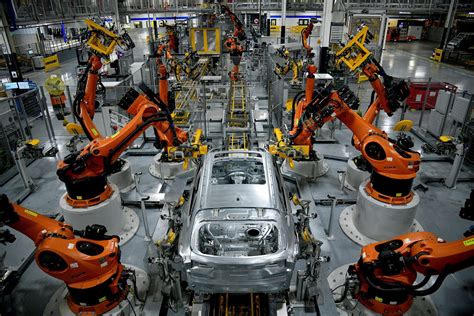
    XYZ Manufacturing Company, a leading player in the automotive industry, decided to switch to a cloud-based ERP system to boost efficiency and reduce operational costs. With the implementation of the new system, XYZ Manufacturing Company was able to streamline its production processes, inventory management, and supply chain operations. As a result, the company saw a significant improvement in its overall productivity and profitability.

    Case Study 2: ABC Electronics

    ABC Electronics, a well-known electronics manufacturer, faced challenges in managing its complex manufacturing processes and supply chain operations. To overcome these challenges, ABC Electronics implemented a cloud-based ERP system that provided real-time visibility into its operations and improved collaboration between different departments. The implementation of the cloud-based ERP system helped ABC Electronics optimize its production processes, reduce lead times, and enhance customer satisfaction.

    Case Study 3: LMN Pharmaceuticals

    LMN Pharmaceuticals, a pharmaceutical manufacturing company, implemented a cloud-based ERP system to address its growing business needs and regulatory requirements. The cloud-based ERP system helped LMN Pharmaceuticals automate its production processes, manage compliance issues, and improve traceability across its supply chain. The implementation of the cloud-based ERP system enabled LMN Pharmaceuticals to achieve greater operational efficiency, quality control, and regulatory compliance.

    Case Study 4: PQR Machinery

    PQR Machinery, a heavy machinery manufacturer, embarked on a digital transformation journey by migrating its on-premise ERP system to a cloud-based ERP solution. The transition to the cloud-based ERP system allowed PQR Machinery to centralize its data, streamline its processes, and gain real-time insights into its operations. With the new system in place, PQR Machinery was able to improve its production planning, inventory management, and overall operational efficiency.

    These case studies demonstrate the success stories of manufacturing companies that have leveraged cloud-based ERP systems to enhance their competitiveness, drive innovation, and achieve operational excellence. By adopting cloud-based ERP solutions, manufacturing companies can stay ahead of the curve and capitalize on the benefits of digital transformation in today’s rapidly changing business landscape.

    Future Trends and Innovations in Cloud-Based ERP for Manufacturing

    Cloud-based ERP systems for manufacturing have seen significant advancements in recent years, with several future trends and innovations emerging to improve efficiency, productivity, and competitiveness in the industry. Manufacturers are constantly seeking ways to streamline their operations, reduce costs, and enhance overall performance. Here are five key trends and innovations shaping the future of cloud-based ERP for manufacturing:

    1. Artificial Intelligence (AI) Integration:

    One of the most significant trends in cloud-based ERP for manufacturing is the integration of artificial intelligence (AI) technology. AI algorithms can analyze vast amounts of data to provide valuable insights and make predictions that help manufacturers make informed decisions. From demand forecasting to predictive maintenance, AI-driven ERP systems can optimize production schedules, reduce downtime, and minimize waste in the manufacturing process.

    2. Internet of Things (IoT) Connectivity:

    The Internet of Things (IoT) is revolutionizing the manufacturing industry by connecting machines, devices, and sensors to collect real-time data and improve operational efficiency. Cloud-based ERP systems can leverage IoT connectivity to monitor equipment performance, track inventory levels, and identify potential issues before they escalate. By incorporating IoT data into ERP solutions, manufacturers can enhance visibility, traceability, and control throughout the production cycle.

    3. Blockchain Technology:

    Blockchain technology is another innovative trend that is reshaping cloud-based ERP for manufacturing. By providing a secure and transparent way to record transactions and track assets, blockchain can enhance supply chain management, quality control, and compliance in manufacturing operations. With blockchain-enabled ERP systems, manufacturers can increase trust, accountability, and collaboration across their network of suppliers, partners, and customers.

    4. Mobile Accessibility:

    As mobile devices become increasingly prevalent in the workplace, cloud-based ERP systems are adapting to provide seamless access to critical information anytime, anywhere. Manufacturers can leverage mobile apps to monitor production processes, approve orders, and track shipments on the go. By enabling mobile accessibility, cloud-based ERP solutions empower employees to make data-driven decisions and stay connected to their operations in real time.

    5. 3D Printing Integration:

    3D printing technology is poised to transform the manufacturing industry by enabling on-demand production of custom parts and prototypes. Cloud-based ERP systems are incorporating 3D printing capabilities to streamline design, manufacturing, and inventory management processes. By integrating 3D printing into ERP solutions, manufacturers can reduce lead times, minimize waste, and offer personalized products to meet the demands of today’s dynamic marketplace.

    In conclusion, the future of cloud-based ERP for manufacturing holds great promise with these trends and innovations reshaping the industry. By embracing AI, IoT, blockchain, mobile accessibility, and 3D printing integration, manufacturers can enhance their competitive edge, improve operational efficiency, and drive sustainable growth in the digital era.

  • Erp Business Software

    Erp Business Software

    History of ERP Business Software

    Enterprise Resource Planning (ERP) software has evolved over the years to become an integral part of modern business operations. The history of ERP business software dates back to the 1960s and 1970s when businesses started to look for ways to integrate their various functions, such as finance, human resources, and manufacturing, into a single system. During this time, MRP (Material Requirements Planning) software was developed to help with production planning and inventory control.

    As technology continued to advance, the need for a more comprehensive system that could handle all aspects of a company’s operations became apparent. In the 1980s, the concept of ERP software was born, with companies like SAP, Oracle, and Baan leading the way in developing integrated systems that could streamline processes and improve efficiency.

    Also read :

    Erp Software Platform

    By the 1990s, ERP software had become more widely adopted by businesses of all sizes, thanks to advancements in technology and the increasing need for organizations to stay competitive in the global marketplace. ERP systems were no longer just reserved for large corporations; small and medium-sized businesses began to see the benefits of implementing these systems to help them manage their operations more effectively.

    One of the key milestones in the history of ERP business software was the Y2K scare at the turn of the millennium. Many companies realized that their outdated systems were not equipped to handle the changing dynamics of the digital age, prompting a massive wave of ERP implementations to ensure compliance and future-proof their operations.

    With the rise of cloud computing and mobile technology in the 2010s, ERP software has continued to evolve to meet the needs of a fast-paced and increasingly digital business environment. Today, ERP systems offer a range of features and functionalities, including real-time data insight, collaboration tools, and automation capabilities, to help businesses stay agile and competitive in the market.

    In conclusion, the history of ERP business software is a testament to the evolution of technology and the ever-changing needs of businesses in a dynamic marketplace. From its humble beginnings in the 1960s to the cutting-edge systems of today, ERP software has played a crucial role in helping companies streamline their operations, improve productivity, and drive growth. As technology continues to advance, we can expect ERP software to become even more integrated, intelligent, and indispensable in the future.

    Also read :

    Erp Systems For Small To Medium Business

    Benefits of Implementing ERP Systems

    Implementing ERP systems can bring a multitude of benefits to businesses, both large and small. From streamlining operations to improving decision-making processes, here are some of the key advantages of utilizing ERP software:

    1. Improved Efficiency: ERP systems integrate various business functions and departments into a single platform, eliminating the need for manual data entry and reducing the risk of errors. This streamlined approach enhances productivity and efficiency across the organization, allowing employees to focus on more strategic tasks rather than time-consuming administrative activities.

    2. Enhanced Visibility and Reporting: One of the major benefits of implementing ERP systems is the improved visibility it provides into all areas of the business. With real-time data updates and customizable reporting features, businesses can gain valuable insights into their operations, performance, and financial health. This enhanced visibility enables informed decision-making, as managers can quickly access key metrics and performance indicators to identify trends, track progress, and make data-driven decisions.

    3. Simplified Compliance and Risk Management: ERP systems help businesses maintain compliance with industry regulations and standards by centralizing data and processes, making it easier to track and report on key compliance requirements. With built-in security features and controls, ERP software can also help organizations mitigate risks and protect sensitive data from breaches and cyber threats.

    Also read :

    Erp Software Small Business

    4. Cost Savings: By streamlining processes, reducing manual effort, and improving resource allocation, ERP systems can help businesses cut costs and increase profitability. From lower inventory carrying costs to reduced labor expenses, the efficiencies gained from implementing ERP software can have a significant impact on the bottom line. Additionally, ERP systems can help businesses identify areas of waste and inefficiency, enabling them to make informed decisions that drive cost savings and improve overall financial performance.

    5. Scalability and Flexibility: As businesses grow and evolve, their operational needs change as well. ERP systems offer scalability and flexibility to adapt to the changing requirements of a growing organization. Whether adding new users, expanding into new markets, or integrating additional modules and functionalities, ERP software can easily accommodate business growth and expansion without disruption.

    6. Competitive Advantage: In today’s fast-paced business environment, staying ahead of the competition is essential for long-term success. Implementing ERP systems can give businesses a competitive advantage by providing the tools and insights needed to make strategic decisions, optimize processes, and deliver superior customer experiences. By leveraging the power of ERP software, businesses can differentiate themselves in the market, drive innovation, and position themselves for sustainable growth and success.

    Key Features and Functionality of ERP Software

    When it comes to ERP software, there are several key features and functionalities that make it a valuable tool for businesses of all sizes. ERP software is designed to streamline processes, increase efficiency, and improve overall business performance. Here are some of the most important features and functionalities of ERP software:

    Also read :

    Erp Product Management

    1. Integration of Financial Management: One of the primary functions of ERP software is to integrate financial management processes. This includes features such as general ledger, accounts payable, accounts receivable, budgeting, and financial reporting. By integrating these processes, ERP software allows businesses to easily track and manage their financials in one centralized system.

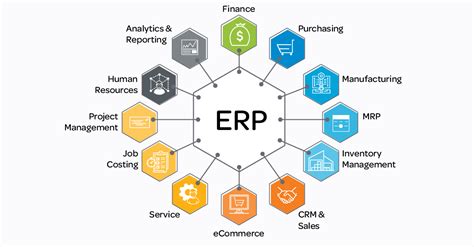
    2. Inventory Management: Another key feature of ERP software is inventory management. With this functionality, businesses can track their inventory levels in real time, manage stock levels, set reorder points, and optimize inventory turnover. This helps businesses to avoid stockouts, reduce excess inventory, and improve overall inventory management efficiency.

    3. Customer Relationship Management (CRM): In addition to financial management and inventory management, many ERP software solutions also include CRM functionality. This allows businesses to manage their customer relationships, track sales leads, manage marketing campaigns, and improve customer service. By integrating CRM with ERP software, businesses can gain a more comprehensive view of their customers and improve overall customer satisfaction.

    4. Human Resources Management: ERP software also typically includes features for human resources management, such as employee records, payroll processing, benefits administration, and performance management. This helps businesses to track and manage their workforce effectively, streamline HR processes, and ensure compliance with labor laws and regulations.

    Also read :

    Erp Systems For Small To Medium Business

    5. Supply Chain Management: Supply chain management is another important functionality of ERP software. This includes features such as order management, supplier management, procurement, and logistics management. By integrating supply chain management with other business processes, ERP software helps businesses to optimize their supply chain operations, reduce costs, and improve overall efficiency.

    6. Reporting and Analytics: ERP software also provides robust reporting and analytics capabilities. Businesses can generate customized reports, dashboards, and KPIs to track key performance metrics and make data-driven decisions. This allows businesses to gain insight into their operations, identify trends, and make informed business decisions.

    7. Scalability and Customization: One of the key advantages of ERP software is its scalability and customization capabilities. Businesses can easily scale their ERP system as they grow, adding new features and functionalities as needed. Additionally, ERP software can be customized to meet the specific needs of a business, ensuring that it aligns with their unique processes and requirements.

    Overall, ERP software offers a wide range of key features and functionalities that can help businesses streamline their operations, improve efficiency, and drive growth. By utilizing ERP software, businesses can gain a competitive edge in today’s fast-paced business environment.

    Common ERP Implementation Challenges

    Implementing an ERP system can be a complex and challenging process for any business. It requires careful planning, coordination, and execution to ensure a successful outcome. Here are some common challenges that organizations may face when implementing ERP software:

    Also read :

    Erp Software For Hospital

    1. Resistance to Change: One of the biggest challenges in implementing ERP software is getting employees to buy into the new system. Many employees may resist change because they are comfortable with the existing processes and tools. To overcome this challenge, it is essential to provide adequate training and support to help employees understand the benefits of the new system and how it will improve their day-to-day tasks.

    2. Customization Requirements: Another common challenge is the need for customization to fit the ERP software to the unique requirements of the organization. While most ERP systems offer a range of features and functionality out of the box, there may still be a need to tailor the system to specific business processes. This customization can be time-consuming and costly, so it is important to carefully assess the extent of customization needed before implementation.

    3. Data Migration: Moving data from existing systems to the new ERP software can be a complex and challenging process. Data quality issues, incompatible formats, and data mapping errors are all common challenges that organizations may face during data migration. It is essential to thoroughly assess the data migration requirements and develop a detailed plan to ensure a smooth transition of data to the new system.

    Also read :

    Erp Systems For Small To Medium Business

    4. Integration with Existing Systems: One of the most significant challenges in ERP implementation is integrating the new system with existing business systems and processes. Many organizations have a variety of systems in place, such as CRM, HR, and financial systems, that need to work seamlessly with the new ERP software. Ensuring that these systems can communicate effectively and share data is essential for the success of the ERP implementation. This may require extensive customization and development work to create integration points and interfaces between systems.

    Overall, implementing ERP software can be a complex and challenging process for any organization. By addressing these common challenges and planning carefully, businesses can increase the likelihood of a successful ERP implementation that delivers measurable benefits to the organization.

    Selecting the Right ERP Solution for Your Business

    When it comes to choosing the right ERP solution for your business, there are several key factors to consider. Here are some important steps to help you make the best decision for your company:

    1. Define Your Business Needs: Before you start looking at different ERP solutions, it’s important to first identify your business needs. What are your business goals? What specific problems are you trying to solve with an ERP system? Understanding your unique requirements will help you narrow down your options and select a solution that aligns with your objectives.

    Also read :

    Erp Systems For Small To Medium Business

    2. Conduct a Thorough Research: Once you have a clear understanding of your business needs, it’s time to start researching ERP solutions. Look at different vendors and compare their features, pricing, and customer reviews. You may also want to consider industry-specific solutions that are tailored to your type of business.

    3. Consider Scalability: It’s essential to choose an ERP solution that can grow with your business. Make sure the system you select can handle increased data and user requirements as your company expands. Scalability is crucial for long-term success, so don’t overlook this important factor.

    4. Evaluate Integration Capabilities: Your ERP system should be able to seamlessly integrate with your existing software applications and systems. Make sure the solution you choose has the ability to connect with other tools and platforms your business relies on for day-to-day operations. This will help streamline processes and improve overall efficiency.

    5. Get User Feedback: Before making a final decision, involve key stakeholders and end-users in the selection process. Get feedback from different departments within your organization to understand their needs and concerns. This will help ensure that the ERP solution you choose meets the requirements of all team members and is user-friendly for everyone involved.

    Also read :

    Erp System For Retail Business

    By following these steps and carefully evaluating your options, you can select the right ERP solution for your business that will help streamline processes, increase efficiency, and drive growth. Don’t rush the decision-making process and take the time to find a solution that aligns with your business objectives and budget.

  • Multiview Erp

    Multiview Erp

    Welcome, curious reader, to a journey into the world of multiview ERP systems and the myriad of benefits they offer to businesses of all sizes. In today’s dynamic business environment, staying ahead of the competition requires innovative solutions that streamline operations, enhance efficiency, and drive growth. Multiview ERP systems are designed to do just that, by providing a comprehensive view of all aspects of a business in one platform. From finance and inventory management to customer relationship management and supply chain optimization, these integrated systems offer a holistic approach to running a successful enterprise. Let’s dive deep into the advantages of multiview ERP systems and discover how they can revolutionize your business operations.

    Exploring the Benefits of Multiview ERP Systems

    Overview of Multiview ERP

    Multiview ERP is a comprehensive enterprise resource planning software that is designed to help businesses manage their financial operations efficiently. It offers a wide range of features and tools to streamline processes, improve decision-making, and increase productivity. Multiview ERP is known for its user-friendly interface and customizable options, making it a popular choice among businesses of all sizes.

    One of the key features of Multiview ERP is its robust financial management capabilities. The software allows users to track and monitor all aspects of their financial transactions, from accounts payable and receivable to general ledger and payroll. With real-time reporting and analytics, businesses can gain valuable insights into their financial health and make informed decisions quickly.

    Also read :

    Erp Software For Hospital

    Another important aspect of Multiview ERP is its integration capabilities. The software can easily connect with other business systems, such as customer relationship management (CRM) and human resources management (HRM) software, to create a seamless and unified platform for all business operations. This integration reduces manual data entry and improves data accuracy, leading to increased efficiency and reduced costs.

    In addition to its financial and integration features, Multiview ERP also offers advanced security measures to protect sensitive data. With customizable user permissions and encryption technologies, businesses can rest assured that their information is safe from unauthorized access. The software also provides regular updates and maintenance to ensure that it remains compliant with industry regulations and standards.

    Furthermore, Multiview ERP provides excellent customer support and training services to help businesses get the most out of the software. From implementation and onboarding to ongoing technical assistance, the dedicated support team is always available to address any issues or questions that may arise. This, combined with the intuitive interface and user-friendly design, makes Multiview ERP a top choice for companies looking to streamline their financial operations.

    Key Features and Functionality of Multiview ERP

    Multiview ERP is a comprehensive software solution that offers a wide range of key features and functionalities to streamline business processes and enhance productivity. Some of the key features of Multiview ERP include:

    Also read :

    Erp Software Small Business

    1. Financial Management: Multiview ERP offers robust financial management capabilities, including general ledger, accounts payable, accounts receivable, and cash management. The system allows users to track financial transactions, create financial reports, and manage budgets with ease. With Multiview ERP, organizations can gain better insights into their financial performance and make informed decisions.

    2. Inventory Management: One of the standout features of Multiview ERP is its advanced inventory management functionality. The system allows users to track inventory levels, manage stock movements, and streamline order fulfillment processes. With Multiview ERP, organizations can optimize their inventory management processes, reduce stockouts, and improve overall efficiency. Additionally, the system offers real-time visibility into inventory levels, helping organizations make informed decisions about stock replenishment and inventory optimization.

    3. Procurement and Purchasing: Multiview ERP includes powerful procurement and purchasing tools that help organizations streamline their purchasing processes and reduce costs. The system allows users to create purchase orders, track supplier performance, and manage vendor relationships effectively. With Multiview ERP, organizations can automate procurement workflows, improve purchasing efficiency, and ensure compliance with procurement policies and regulations.

    4. Sales and Customer Relationship Management: Multiview ERP offers robust sales and customer relationship management capabilities, allowing organizations to manage customer interactions, track sales activities, and improve customer satisfaction. The system enables users to create sales quotes, manage sales orders, and track customer accounts effectively. With Multiview ERP, organizations can streamline their sales processes, enhance customer relationships, and drive revenue growth.

    Also read :

    Erp Business Software

    5. Reporting and Analytics: Multiview ERP provides powerful reporting and analytics tools that enable organizations to gain actionable insights into their business performance. The system offers customizable reports, dashboards, and key performance indicators, allowing users to track key metrics, analyze trends, and make data-driven decisions. With Multiview ERP, organizations can easily monitor their performance, identify areas for improvement, and drive business growth.

    Overall, Multiview ERP is a comprehensive software solution that offers a wide range of key features and functionalities to help organizations streamline their business processes, improve efficiency, and drive growth. With its advanced capabilities in financial management, inventory management, procurement, sales, and reporting, Multiview ERP is a valuable tool for organizations looking to optimize their operations and achieve their business goals.

    Implementation Process of Multiview ERP

    Implementing Multiview ERP can be a smooth process if done correctly. Here are the steps involved in the implementation process:

    1. Planning and Preparation: The first step in implementing Multiview ERP is to plan and prepare for the process. This includes identifying the goals and objectives of the implementation, determining the scope of the project, and creating a timeline for the implementation process. It is important to involve key stakeholders in the planning process to ensure that everyone is on the same page.

    Also read :

    Iot And Erp

    2. System Design: Once the planning is done, the next step is to design the system according to the specific needs and requirements of the organization. This involves customizing the software to fit the business processes and workflows of the company. Multiview ERP offers a high level of customization, allowing organizations to tailor the system to their unique requirements.

    3. Data Migration: One of the most critical aspects of the implementation process is data migration. This involves transferring data from the existing systems to the new Multiview ERP system. Data migration can be a complex process, as it requires careful planning and execution to ensure that all data is transferred accurately and securely. Organizations must clean and organize their data before migration to prevent any errors or data loss during the process. Multiview ERP provides tools and resources to help with data migration, making the process smoother and more efficient.

    4. Training and Testing: Once the system is designed and data migration is complete, the next step is to train users on how to use the new Multiview ERP system. Training is crucial to ensure that employees can effectively navigate the system and perform their tasks efficiently. Organizations can provide on-site training, online tutorials, and user manuals to support employees during the transition. Additionally, testing the system before full implementation is essential to identify any issues or bugs that need to be addressed before going live.

    Also read :

    Erp Software For Hospital

    5. Go-Live and Support: The final step in the implementation process is to go live with the new Multiview ERP system. This involves transitioning from the old systems to the new system and ensuring that everything is working smoothly. Organizations must provide ongoing support and assistance to users as they adjust to the new system. Multiview ERP offers support services to help organizations troubleshoot issues, optimize system performance, and maximize the benefits of the software.

    Overall, the implementation process of Multiview ERP requires careful planning, collaboration, and execution to ensure a successful transition. By following these steps and investing in the right resources, organizations can leverage the full potential of Multiview ERP to streamline operations, improve efficiency, and drive growth.

    Benefits of Using Multiview ERP

    When it comes to managing your business operations effectively, implementing an Enterprise Resource Planning (ERP) system like Multiview ERP can offer a wide range of benefits. From streamlining processes to improving decision-making, here are some key advantages of using Multiview ERP:

    1. Improved efficiency:

    One of the primary benefits of using Multiview ERP is the improved efficiency it brings to your business operations. By centralizing all your data and processes in one system, Multiview ERP eliminates the need for manual data entry and reduces the risk of errors. This allows your employees to focus on more strategic tasks and ensures that your business runs smoothly and efficiently.

    Also read :

    Iot And Erp

    2. Better decision-making:

    With Multiview ERP, you have access to real-time data and insights that can help you make better-informed decisions for your business. Whether it’s analyzing financial performance, monitoring inventory levels, or forecasting future sales, Multiview ERP provides you with the tools you need to make data-driven decisions that can drive your business forward.

    3. Increased visibility:

    Another key benefit of using Multiview ERP is the increased visibility it provides into all aspects of your business. With a central dashboard that gives you a comprehensive view of your operations, you can easily track performance metrics, monitor key performance indicators, and identify areas for improvement. This enhanced visibility can help you identify trends, spot opportunities, and address issues before they become major problems.

    4. Enhanced collaboration:

    In addition to improving efficiency and decision-making, Multiview ERP also promotes collaboration within your organization. By providing a centralized platform for employees to access and share information, Multiview ERP fosters communication and coordination across departments. This can lead to better teamwork, faster problem-solving, and ultimately, greater overall productivity.

    Furthermore, Multiview ERP can also facilitate collaboration with external partners, such as suppliers, customers, and third-party vendors. By integrating your business processes with those of your partners, you can streamline workflows, reduce lead times, and enhance the overall efficiency of your supply chain.

    Also read :

    Erp Product Management

    In conclusion, using Multiview ERP can bring a multitude of benefits to your business, from improved efficiency and decision-making to increased visibility and enhanced collaboration. By leveraging the power of Multiview ERP, you can take your business operations to the next level and drive growth and success for your organization.

    Comparison of Multiview ERP with Other ERP Systems

    When it comes to comparing Multiview ERP with other ERP systems in the market, it is essential to consider the unique features and benefits that set Multiview apart from its competitors. One of the key strengths of Multiview ERP is its user-friendly interface and customization options. Unlike some ERP systems that can be complex and difficult to navigate, Multiview offers an intuitive and easy-to-use interface that allows users to quickly access the information they need.

    Another advantage of Multiview ERP is its ability to integrate with other software applications seamlessly. This means that users can easily sync data between Multiview and other systems, such as CRM software or inventory management tools, without encountering any compatibility issues.

    Furthermore, Multiview ERP offers robust reporting and analytics capabilities that allow for real-time insights into business operations. Users can generate custom reports, track key performance indicators, and analyze data trends to make informed decisions about their business.

    Also read :

    Erp Software Platform

    One area where Multiview ERP stands out is its superior customer service and support. The company is known for providing excellent customer support to its clients, with dedicated account managers and technical experts available to assist with any issues or questions that may arise.

    Lastly, Multiview ERP is highly scalable and customizable, making it suitable for businesses of all sizes and industries. Whether you are a small start-up or a large enterprise, Multiview can be tailored to meet your specific needs and grow with your business.

    Overall, when comparing Multiview ERP with other ERP systems, it is clear that Multiview offers a unique combination of user-friendly features, seamless integration capabilities, powerful reporting tools, top-notch customer service, and scalability. These factors make Multiview ERP an excellent choice for businesses looking to streamline their operations and improve efficiency.

  • Erp Software For Hospital

    Erp Software For Hospital

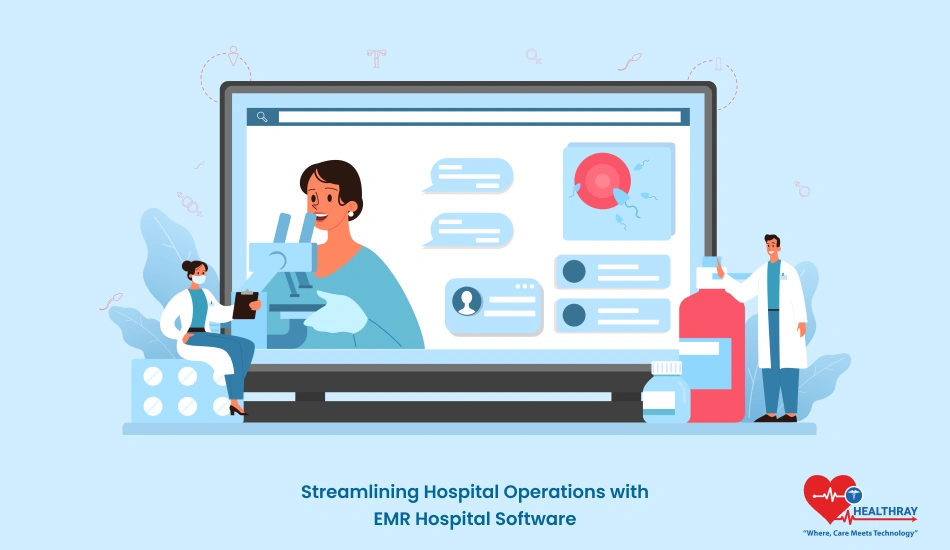
    Hey there, hospital administrators! Are you tired of juggling multiple software systems and struggling to keep track of all the operations in your healthcare facility? Streamlining hospital operations with ERP software might just be the solution you’re looking for. From managing patient records to tracking inventory and scheduling appointments, ERP software can help simplify and centralize all your hospital’s essential functions. Let’s explore how implementing ERP software can revolutionize the way your hospital operates!

    Streamlining Hospital Operations with ERP Software

    Implementation of ERP Software in Hospitals

    Implementing ERP software in hospitals can be a game changer for improving efficiency and quality of patient care. However, the process of implementing ERP software in a hospital setting can be complex and challenging. It requires careful planning, coordination, and involvement of key stakeholders to ensure a successful transition.

    The first step in implementing ERP software in a hospital is to assess the current systems and processes in place. This involves identifying existing inefficiencies, bottlenecks, and areas for improvement. Hospital administrators need to conduct a thorough analysis of their current operations to determine the specific needs and requirements for the ERP system.

    Once the hospital has identified its requirements, the next step is to select the right ERP software vendor. It is crucial to choose a vendor that understands the unique needs of the healthcare industry and has experience in implementing ERP systems in hospital settings. The vendor should also provide adequate training and support to ensure a smooth implementation process.

    Also read :

    Erp Systems For Small To Medium Business

    After selecting a vendor, the hospital needs to create a detailed implementation plan. This plan should outline the timeline, budget, resources, and responsibilities for each phase of the implementation process. It is important to involve key stakeholders, such as department heads, IT staff, and frontline healthcare workers, in the planning process to ensure buy-in and cooperation.

    Training is another critical component of implementing ERP software in hospitals. Hospital staff need to be properly trained on how to use the new system effectively. This training should be ongoing and tailored to the specific roles and responsibilities of each employee. In addition to formal training sessions, hospitals should provide access to user manuals, online resources, and technical support to help staff navigate the system.

    During the implementation process, hospitals may encounter unexpected challenges and obstacles. It is important to have a dedicated project team in place to address any issues that arise and make necessary adjustments to the implementation plan. Regular communication and feedback loops are essential to ensure that the implementation stays on track and meets the hospital’s goals and objectives.

    After the ERP software has been fully implemented, hospitals should continue to monitor and evaluate its performance. Regular audits and assessments can help identify areas for improvement and optimization. Hospitals should also seek feedback from staff and patients to gauge their satisfaction with the new system and make any necessary adjustments.

    Also read :

    Erp Software Platform

    In conclusion, implementing ERP software in hospitals can streamline operations, improve patient care, and enhance overall efficiency. By carefully planning, selecting the right vendor, training staff, and monitoring performance, hospitals can successfully transition to a more integrated and effective system.

    Key Features and Benefits of ERP for Hospital Management

    Implementing an ERP software system in a hospital setting can bring numerous benefits and features that can streamline operations, improve efficiency, and enhance patient care. Let’s take a closer look at some of the key features and benefits of ERP for hospital management.

    1. Streamlined Operations: One of the primary benefits of ERP software for hospitals is its ability to streamline operations. With an integrated system that connects different departments, healthcare providers can easily access important information and communicate effectively. This leads to faster decision-making, reduced errors, and improved overall efficiency.

    2. Enhanced Data Management: ERP systems for hospitals offer robust data management capabilities, allowing healthcare providers to store, track, and analyze vast amounts of patient data. This centralized approach to data management ensures that all information is accurate, up-to-date, and easily accessible. With real-time insights and analytics, hospitals can make informed decisions and improve patient outcomes.

    3. Improved Patient Care: By streamlining operations and enhancing data management, ERP software can ultimately improve patient care. Healthcare providers can access patient records quickly, coordinate care more effectively, and ensure that the right treatment is administered at the right time. This results in better outcomes for patients and a higher level of satisfaction.

    Also read :

    Multiview Erp

    4. Cost Savings: Implementing an ERP system in a hospital can lead to significant cost savings in the long run. By automating processes, reducing manual errors, and optimizing resource allocation, hospitals can operate more efficiently and minimize unnecessary expenses. This not only saves money but also ensures that resources are used effectively to benefit patient care.

    5. Regulatory Compliance: ERPs for hospital management often come equipped with features that help ensure regulatory compliance. With built-in tools for tracking and reporting on compliance standards, hospitals can easily demonstrate adherence to laws and regulations. This reduces the risk of penalties and legal issues, providing peace of mind for healthcare providers and patients alike.

    6. Scalability and Flexibility: Another key feature of ERP software for hospitals is its scalability and flexibility. As healthcare organizations grow and evolve, ERP systems can adapt to changing needs and requirements. This allows hospitals to expand their operations, add new services, or accommodate increased patient volumes without disrupting existing workflows.

    Overall, ERP software offers a wide range of features and benefits for hospital management. From streamlining operations and enhancing data management to improving patient care and ensuring regulatory compliance, implementing an ERP system can revolutionize the way healthcare providers deliver services. By leveraging the power of technology, hospitals can operate more efficiently, reduce costs, and ultimately enhance the quality of care for their patients.

    Also read :

    Erp Product Management

    Integrating ERP with Electronic Health Records (EHR) Systems

    ERP software for hospitals plays a crucial role in streamlining operations, managing resources efficiently, and ultimately improving patient care. When it comes to integrating ERP with Electronic Health Records (EHR) systems, the benefits are even greater. EHR systems hold important patient data, clinical notes, lab results, prescriptions, and more. By seamlessly integrating ERP with EHR systems, hospitals can improve data accuracy, enhance communication between departments, and increase overall efficiency.

    One of the key advantages of integrating ERP with EHR systems is the ability to centralize and automate data management processes. With both systems working together, hospital staff can access and update patient information in real-time, reducing the risk of errors and improving the quality of care. For example, when a patient’s demographic information is updated in the ERP system, it will automatically sync with the EHR system, ensuring that all departments have access to the most current information.

    Another benefit of integrating ERP with EHR systems is improved efficiency in billing and revenue cycle management. By integrating these two systems, hospitals can streamline the process of capturing charges, submitting claims, and processing payments. This not only speeds up the billing cycle but also reduces the risk of billing errors and delays. Additionally, hospitals can better track and analyze financial data, helping them make informed decisions and optimize revenue generation.

    Also read :

    Erp Manufacturing Company

    Furthermore, the integration of ERP with EHR systems enables hospitals to enhance patient care coordination. With both systems sharing data seamlessly, healthcare providers can collaborate more effectively, resulting in improved communication and better patient outcomes. For example, a physician can quickly access a patient’s medical history, lab results, and treatment plans through the EHR system, allowing them to make informed decisions and provide personalized care.

    Additionally, the integration of ERP with EHR systems can help hospitals comply with regulatory requirements and industry standards. By consolidating data management processes and ensuring data integrity, hospitals can easily generate reports, track key performance indicators, and demonstrate compliance with regulations such as HIPAA. This not only reduces the risk of fines and penalties but also builds trust with patients and ensures the security and privacy of their data.

    In conclusion, integrating ERP with Electronic Health Records (EHR) systems is essential for modern hospitals looking to enhance operational efficiency, improve patient care, and ensure regulatory compliance. By centralizing data management, streamlining billing processes, enhancing care coordination, and maintaining data integrity, hospitals can achieve significant benefits and deliver better healthcare services to their patients.

    Choosing the Right ERP Software for Hospital Operations

    When it comes to implementing ERP software for hospital operations, it is crucial to choose the right solution that meets the specific needs and requirements of the healthcare facility. The selection process can be overwhelming, considering the variety of options available in the market. However, by following some key considerations, hospitals can narrow down their choices and find the best ERP software for their operations.

    Also read :

    Erp Software Platform

    One of the most important factors to consider when choosing ERP software for hospital operations is the scalability of the solution. Hospitals are dynamic environments that are constantly growing and evolving. Therefore, it is essential to select an ERP system that can adapt to the changing needs of the hospital. Scalability ensures that the software can accommodate an increase in patient volume, expansion of services, and other operational changes without compromising performance.

    Another critical factor to consider is the integration capabilities of the ERP software. Hospital operations involve a wide range of departments, from patient care to billing and inventory management. An integrated ERP system allows for seamless communication and data sharing between different departments, improving efficiency and reducing errors. Hospitals should look for a solution that can easily integrate with existing systems and third-party applications to streamline workflows and enhance collaboration across departments.

    Usability is also a key consideration when selecting ERP software for hospital operations. The system should be user-friendly and intuitive, allowing staff members to quickly learn and navigate the software with minimal training. A user-friendly interface enhances productivity and reduces the likelihood of errors, ultimately improving patient care and satisfaction. Hospitals should also consider the level of support and training provided by the ERP vendor to ensure a smooth implementation process and ongoing success.

    Also read :

    Multiview Erp

    Furthermore, hospitals must evaluate the security features of the ERP software to protect patient data and ensure compliance with healthcare regulations. Data breaches and cybersecurity threats are significant concerns for healthcare organizations, making security a top priority when selecting an ERP system. Hospitals should look for software that offers robust security measures, such as encryption, access controls, and regular security updates, to safeguard sensitive information and maintain patient confidentiality.

    In conclusion, choosing the right ERP software for hospital operations is a critical decision that can impact the efficiency, quality of care, and overall success of the healthcare facility. By considering factors such as scalability, integration capabilities, usability, and security, hospitals can select a solution that meets their specific needs and helps them achieve their operational goals. With the right ERP software in place, hospitals can streamline processes, improve communication, and deliver high-quality care to patients.

    Overcoming Challenges in Implementing ERP in a Hospital Setting

    Implementing ERP software in a hospital setting comes with its own set of challenges. Hospitals are complex organizations with various departments and functions that need to work together seamlessly. Here are some common challenges hospitals face when implementing ERP software and how they can overcome them:

    1. Resistance to Change: One of the biggest challenges hospitals face when implementing ERP software is resistance to change from staff. Employees may be comfortable with their existing processes and reluctant to adopt new technology. To overcome this challenge, hospitals should involve staff in the decision-making process and provide training and support to help them transition to the new system.

    Also read :

    Erp Business Software

    2. Integration of Systems: Hospitals typically have multiple systems in place for different departments, such as billing, scheduling, and patient records. Integrating these systems with an ERP software can be a complex process. Hospitals can overcome this challenge by working with a vendor that specializes in healthcare ERP solutions and has experience with system integration.

    3. Data Security: Hospitals deal with sensitive patient information that needs to be protected at all costs. Implementing ERP software can pose security risks if not implemented properly. Hospitals can address this challenge by conducting thorough security assessments, implementing encryption protocols, and providing staff with security training.

    4. Customization Needs: Every hospital has its own unique processes and workflows that may not fit out-of-the-box ERP solutions. Customizing the software to meet the hospital’s specific needs can be time-consuming and costly. Hospitals should work closely with their ERP vendor to identify customization needs early on and create a plan for implementation.

    5. Cost of Implementation: One of the most significant challenges hospitals face when implementing ERP software is the cost. ERP systems can be expensive to purchase, customize, and maintain. Additionally, hospitals may face unforeseen costs during the implementation process. To overcome this challenge, hospitals should conduct a thorough cost-benefit analysis, create a detailed budget, and consider cost-saving measures such as cloud-based ERP solutions or financing options.

    Also read :

    Erp Product Management

    In conclusion, implementing ERP software in a hospital setting can be a complex and challenging process. By addressing common challenges such as resistance to change, system integration, data security, customization needs, and cost considerations, hospitals can successfully implement an ERP system that improves efficiency, productivity, and patient care.

  • Erp Software Platform

    Erp Software Platform

    Welcome to the world of ERP software platforms, where businesses can streamline their operations and maximize efficiency like never before. These powerful tools not only help manage various aspects of a company’s operations, but also provide valuable insights and data to drive informed decision-making. From inventory management to financial reporting, ERP software platforms are revolutionizing the way businesses operate in today’s fast-paced world. Let’s delve into the amazing capabilities of these platforms and explore how they can transform your business operations.

    ERP software platforms

    Understanding ERP Software Platforms

    ERP software platforms are comprehensive business management tools that integrate all facets of a company’s operations into a single system. These platforms help streamline processes, improve efficiency, and provide real-time insights for better decision-making. With ERP software, companies can manage everything from accounting and human resources to inventory and customer relationship management in one centralized location.

    One of the key features of ERP software platforms is their ability to automate repetitive tasks, reducing the need for manual data entry and freeing up time for employees to focus on more strategic initiatives. By automating processes such as invoicing, inventory management, and payroll, companies can reduce errors and improve overall accuracy in their operations.

    Also read :

    Erp Business Software

    Furthermore, ERP software platforms offer businesses a 360-degree view of their operations, allowing them to track performance, analyze data, and identify trends in real time. This visibility enables businesses to make informed decisions based on accurate information, leading to improved efficiency and productivity.

    Another advantage of ERP software platforms is their scalability. As companies grow and evolve, their needs may change, requiring additional features or functionalities. ERP software platforms are designed to be flexible and customizable, allowing businesses to adapt and expand their systems as needed without incurring significant costs.

    Additionally, ERP software platforms enhance collaboration and communication within an organization. By providing a centralized platform for employees to access information and collaborate on projects, ERP software fosters a culture of teamwork and transparency that can lead to increased productivity and morale.

    In conclusion, ERP software platforms are powerful tools that can transform the way businesses operate. By centralizing data, automating processes, and providing real-time insights, ERP software platforms enable companies to improve efficiency, make better decisions, and ultimately drive growth and success. Embracing an ERP software platform is not just a trend, but a strategic imperative for businesses looking to stay competitive in today’s fast-paced, digital world.

    Key Features of ERP Software Platforms

    ERP software platforms offer a wide range of key features that help businesses streamline their operations and enhance efficiency. One of the most important features of an ERP software platform is centralized data management. This feature allows businesses to store all of their important data in one place, making it easily accessible to authorized users. With centralized data management, employees can quickly find the information they need without having to search through multiple systems or databases.

    Also read :

    Erp Business Software

    Another key feature of ERP software platforms is real-time reporting and analytics. These platforms provide businesses with up-to-date information on their operations, finances, and other key metrics. Real-time reporting allows business owners and managers to make informed decisions quickly, based on the most current data available. This feature is crucial for businesses looking to stay ahead of the competition and adapt to changing market conditions.

    Additionally, ERP software platforms often include features for automating routine tasks and processes. Automation can help businesses save time and money by reducing the need for manual data entry and processing. By automating tasks such as invoicing, inventory management, and order processing, businesses can increase efficiency and productivity across their organization.

    Collaboration tools are another important feature of ERP software platforms. These tools allow employees to communicate, share information, and work together on projects more effectively. Collaboration tools can include features such as instant messaging, document sharing, and project management tools. By incorporating these tools into their ERP software platform, businesses can improve communication, reduce errors, and increase productivity.

    Finally, ERP software platforms often offer integration with other business software applications. This integration allows businesses to connect their ERP system with other tools they use, such as customer relationship management (CRM) software, e-commerce platforms, and accounting software. By integrating their ERP platform with other systems, businesses can streamline their operations, reduce data silos, and improve overall efficiency.

    Also read :

    Erp Systems For Small To Medium Business

    Benefits of Implementing an ERP Software Platform

    Implementing an ERP software platform offers a wide range of benefits for businesses of all sizes. From streamlining processes to improving decision-making capabilities, the advantages of utilizing an ERP system are numerous. Below are some of the key benefits of implementing an ERP software platform:

    1. Increased Efficiency and Productivity

    One of the main benefits of using an ERP software platform is the increase in efficiency and productivity it can provide. By centralizing all business processes and data in one system, employees are able to access information more quickly and easily. This streamlines operations and reduces the time spent on manual tasks, ultimately leading to increased productivity across the organization.

    2. Improved Decision-Making

    With an ERP software platform in place, decision-makers have access to real-time data and insights that can help them make informed decisions. By providing accurate and up-to-date information on various aspects of the business, such as sales, inventory, and financials, ERP systems enable businesses to make strategic decisions that drive growth and profitability.

    3. Enhanced Data Security

    When it comes to handling sensitive business data, security is paramount. ERP software platforms offer robust security features that help protect data from unauthorized access and cyber threats. With role-based access controls, encryption, and regular security updates, ERP systems ensure that your business data is safe and secure at all times.

    Also read :

    Iot And Erp

    Additionally, ERP systems help businesses comply with industry regulations and standards by providing audit trails and data encryption features. This not only protects sensitive information but also helps build trust with customers and partners, ultimately enhancing your brand reputation.

    4. Scalability and Flexibility

    As your business grows and changes, so do your needs for technology solutions. ERP software platforms are designed to be scalable and flexible, allowing you to easily add or remove features and users as needed. This scalability ensures that your ERP system can grow with your business, eliminating the need for costly system replacements in the future.

    5. Cost Savings

    Implementing an ERP software platform can lead to significant cost savings for businesses. By streamlining processes, reducing manual errors, and improving overall efficiency, ERP systems help businesses cut down on operational costs. Additionally, by consolidating multiple systems into one integrated platform, businesses can eliminate the need for multiple software licenses and reduce maintenance and support costs.

    In conclusion, implementing an ERP software platform offers a multitude of benefits for businesses looking to streamline operations, improve decision-making, and enhance data security. From increased efficiency and productivity to cost savings and scalability, ERP systems are a valuable investment for businesses of all sizes.

    Also read :

    Erp Business Software

    Choosing the Right ERP Software Platform for Your Business

    When it comes to selecting the right ERP software platform for your business, there are several key factors to consider. It is important to choose a solution that aligns with your business goals and processes, as well as one that fits within your budget. Here are some tips to help you make the right decision:

    1. Define your business needs: Before you start your search for an ERP software platform, take the time to clearly define your business needs and objectives. Consider what functionalities are most important to your business, whether it is inventory management, financial reporting, customer relationship management, or something else entirely. Knowing your priorities will help you narrow down your options and choose a platform that meets your specific requirements.

    2. Assess scalability: As your business grows, your ERP software platform should be able to grow with you. Consider how scalable the platform is and whether it can accommodate your future needs. Look for a solution that offers flexibility and can easily adapt to changes in your business environment.

    3. Consider integration capabilities: Your ERP software platform should be able to seamlessly integrate with other systems and applications that your business uses. This will help streamline processes and improve efficiency. Look for a platform that offers robust integration capabilities and can easily connect with your existing software tools.

    Also read :

    Erp System For Retail Business

    4. Evaluate user-friendliness: One of the most important factors to consider when choosing an ERP software platform is its user-friendliness. The platform should be easy to use and navigate, with an intuitive interface that makes it simple for employees to access the information they need. Look for a platform that offers a clean and organized layout, as well as comprehensive training and support resources to help your team get up to speed quickly.

    5. Analyze customization options: Every business is unique, and your ERP software platform should be able to accommodate your specific requirements. Look for a platform that offers customization options, allowing you to tailor the system to meet your individual needs. This may include the ability to add or remove modules, create custom reports, or adjust workflows to align with your business processes.

    6. Consider cloud vs. on-premise solutions: When choosing an ERP software platform, you will need to decide whether you want a cloud-based solution or an on-premise system. Cloud-based solutions offer flexibility and scalability, as well as the ability to access your data from anywhere with an internet connection. On-premise solutions, on the other hand, may offer greater control over your data and security. Consider your business needs and preferences when deciding which option is right for you.

    Also read :

    Erp Software Small Business

    By keeping these factors in mind and carefully evaluating your options, you can choose the right ERP software platform for your business. With the right solution in place, you can streamline processes, improve efficiency, and drive growth for your organization.

    Best Practices for Successful ERP Software Platform Implementation

    Implementing an ERP software platform can be a complex and daunting task for any organization. However, by following some best practices, you can increase the chances of a successful implementation. Below are five key best practices to consider:

    1. Define Clear Objectives and Goals

    Before implementing an ERP software platform, it is essential to clearly define your objectives and goals. What do you hope to achieve with the new system? Are you looking to streamline processes, improve efficiency, or enhance decision-making? By identifying your goals upfront, you can ensure that your ERP implementation is aligned with your overall business strategy.

    2. Select the Right ERP Software Vendor

    Choosing the right ERP software vendor is crucial to the success of your implementation. Make sure to thoroughly research and evaluate different vendors to find one that meets your specific needs and budget constraints. Look for vendors with a proven track record of successful implementations and a strong customer support system in place.

    Also read :

    Erp Systems For Small To Medium Business

    3. Invest in Training and Change Management

    Investing in training and change management is essential for ensuring a smooth transition to the new ERP software platform. Make sure to provide comprehensive training for employees at all levels of the organization to ensure they are comfortable using the new system. Additionally, establish a change management plan to address any resistance to the new system and ensure a successful rollout.

    4. Data Migration and Integration

    Proper data migration and integration are critical components of a successful ERP software implementation. Make sure to clean and prepare your data before migrating it to the new system to avoid any potential issues. Additionally, ensure that your ERP software platform integrates seamlessly with your existing systems to maintain data consistency and accuracy.

    5. Continuously Monitor and Evaluate Performance

    One of the most important best practices for successful ERP software platform implementation is to continuously monitor and evaluate performance. Regularly track key performance metrics to assess the impact of the new system on your business processes. Identify any areas of improvement and take proactive steps to address them to ensure the long-term success of your ERP implementation.

    By following these best practices, you can increase the likelihood of a successful ERP software platform implementation and maximize the benefits of your new system.

  • Erp Software Small Business

    Erp Software Small Business

    ERP Solutions for Small Businesses: Streamlining Operations and Boosting Efficiency

    Welcome, small business owners! Are you looking to streamline your operations and boost efficiency within your company? Look no further than ERP solutions. Enterprise Resource Planning (ERP) software is not just for large corporations anymore – it can benefit small businesses by automating processes, improving organization, and providing valuable insights for decision-making. In this article, we will explore how ERP solutions can help your small business thrive in today’s competitive market.

    ERP Solutions

    Benefits of ERP Software for Small Businesses

    ERP software provides numerous benefits for small businesses that can help streamline operations, improve efficiency, and drive growth. One of the main advantages of implementing ERP software is the ability to centralize all business processes into one integrated system. This means that all departments within the organization, such as sales, finance, inventory, and HR, can access the same real-time data and information, leading to improved communication and collaboration.

    With ERP software, small businesses can also automate tedious and time-consuming tasks, such as data entry, report generation, and inventory management. This automation not only saves time but also reduces the risk of human error, ensuring that data is accurate and up-to-date. By automating these tasks, employees can focus on more strategic and value-added activities that contribute to the growth and success of the business.

    Also read :

    Erp Business Software

    Another benefit of ERP software for small businesses is improved visibility and reporting. With all data stored in a centralized system, managers can easily access real-time reports and analytics to make informed decisions quickly. This visibility allows small businesses to identify trends, patterns, and opportunities that can help them stay ahead of the competition and make strategic decisions to drive growth.

    Furthermore, ERP software can help small businesses improve customer satisfaction and loyalty by providing a seamless and personalized customer experience. With access to customer data and insights, businesses can better understand their customers’ preferences and behaviors, allowing them to tailor their products and services to meet their needs effectively. This personalized approach can lead to increased customer satisfaction, repeat business, and positive word-of-mouth referrals.

    In addition, ERP software can help small businesses increase operational efficiency and reduce costs. By streamlining and automating processes, businesses can eliminate inefficiencies, reduce waste, and optimize resource utilization. This leads to cost savings, improved productivity, and a more competitive edge in the market. Small businesses can also benefit from the scalability of ERP software, as they can easily add new modules or users as their business grows and evolves.

    Overall, implementing ERP software can provide small businesses with a competitive advantage, improved efficiency, better decision-making capabilities, and increased profitability. By centralizing business processes, automating tasks, improving visibility, enhancing customer satisfaction, and reducing costs, ERP software can help small businesses achieve their goals and drive sustainable growth in today’s competitive business environment.

    Also read :

    Erp Software Platform

    Key Features to Look for in ERP Software for Small Businesses

    When it comes to selecting ERP software for a small business, there are a few key features that you should prioritize in order to ensure that the software meets the specific needs of your organization. Here are some important features to look for:

    User-Friendly Interface: One of the most important features to consider when choosing ERP software for your small business is the user-friendly interface. Small businesses may not have the resources or time to train employees on complex software, so it is crucial to choose an ERP solution that is easy to navigate and use. Look for software that has an intuitive interface, clear navigation, and customizable dashboard to ensure that your team can quickly adapt and maximize efficiency.

    Scalability: Another important feature to consider when selecting ERP software for a small business is scalability. As your business grows, your software needs may change, so it is essential to choose a solution that can scale with your organization. Look for ERP software that offers flexible pricing plans, the ability to add or remove features as needed, and the option to upgrade to a more advanced version as your business expands. Scalability ensures that you can continue to use the software as your needs evolve without having to switch to a completely new system.

    Also read :

    Erp Product Management

    Customization: Small businesses have unique processes and requirements, so it is important to choose ERP software that can be easily customized to fit your specific needs. Look for software that offers customizable modules, the ability to add or remove features, and the option to integrate with other applications that your business uses. Customization allows you to tailor the software to your business processes and workflows, making it more efficient and effective in helping you achieve your goals.

    Cloud-Based Technology: Cloud-based ERP software is becoming increasingly popular among small businesses due to its flexibility, accessibility, and cost-effectiveness. With cloud-based ERP software, you can access your data and manage your business from anywhere with an internet connection, making it perfect for remote teams or employees who need to work on-the-go. Additionally, cloud-based ERP software typically requires lower upfront costs and maintenance fees compared to on-premises solutions, making it a more affordable option for small businesses.

    Mobile Access: In today’s fast-paced business environment, it is essential to have access to your ERP software on the go. Look for ERP solutions that offer mobile apps or responsive designs that allow you to access key features and data from your smartphone or tablet. Mobile access enables you to stay connected to your business, make informed decisions, and respond to opportunities or challenges in real-time, no matter where you are.

    Also read :

    Erp Manufacturing Company

    Overall, when selecting ERP software for your small business, it is important to prioritize features that enhance user experience, promote scalability, allow for customization, leverage cloud-based technology, and offer mobile access. By choosing software with these key features, you can empower your team, streamline your processes, and drive growth and success for your small business.

    How ERP Software Can Streamline Operations for Small Businesses

    Enterprise Resource Planning (ERP) software is a powerful tool that can help small businesses streamline their operations and improve efficiency. By integrating various functions such as finance, HR, sales, and inventory management into a single system, ERP software can provide a holistic view of the business, enabling better decision-making and smoother workflows.

    Here are three ways in which ERP software can streamline operations for small businesses:

    1. Centralized Data Management: One of the key benefits of ERP software is that it centralizes all the data from different departments within a business. This means that employees can access real-time information on customers, orders, inventory levels, and finances without having to switch between multiple systems. By eliminating data silos and providing a unified view of the business, ERP software can help small businesses make informed decisions quickly and efficiently.

    2. Automated Processes: Another advantage of ERP software is its ability to automate repetitive tasks and processes. For example, ERP systems can automatically generate invoices, track payments, and update inventory levels, saving time and reducing the risk of errors. By automating routine tasks, small businesses can free up employees to focus on more strategic activities, such as analyzing data, developing marketing campaigns, or improving customer service.

    Also read :

    Erp Manufacturing Company

    3. Improved Collaboration: ERP software can also improve collaboration among employees by providing a centralized platform for sharing information and communicating with colleagues. For example, employees can use ERP systems to collaborate on projects, track progress, and share documents in real-time. This can help small businesses work more efficiently and respond quickly to changes in the market or customer demands. Additionally, ERP software can provide a clear audit trail of all activities, making it easier to track changes, identify errors, and ensure compliance with regulations.

    In conclusion, ERP software can be a game-changer for small businesses looking to streamline their operations and improve efficiency. By centralizing data, automating processes, and improving collaboration, ERP software can help small businesses make better decisions, reduce costs, and stay ahead of the competition. If you’re a small business owner looking to boost productivity and drive growth, investing in ERP software could be the solution you’ve been looking for.

    Cost Considerations for Implementing ERP Software for Small Businesses

    Implementing ERP software can be a significant investment for small businesses, so it is important to carefully consider the costs involved. Here are a few key factors to keep in mind when evaluating the cost of implementing ERP software:

    Also read :

    Erp Business Software

    1. Licensing Costs: One of the most significant expenses associated with ERP software is licensing costs. Small businesses must consider the number of users that will need access to the system, as well as any additional modules or features that may be required. It is important to carefully review the pricing structure offered by ERP vendors to ensure that you are getting the best value for your money.

    2. Implementation Costs: In addition to licensing fees, small businesses must also factor in the cost of implementing the ERP software. This can include expenses such as data migration, customizations, training, and ongoing support. It is important to work closely with the ERP vendor or an implementation partner to develop a comprehensive plan that outlines all of the implementation costs upfront.

    3. Maintenance and Support Costs: Once the ERP software is up and running, small businesses must budget for ongoing maintenance and support. This can include regular updates and patches, troubleshooting issues, and technical support. It is important to factor these costs into your budget to ensure that your ERP system remains running smoothly and effectively.

    4. Hidden Costs: While licensing, implementation, and maintenance costs are the most obvious expenses associated with ERP software, small businesses must also consider hidden costs that may arise during the implementation process. These can include unexpected customization requirements, additional hardware or software upgrades, and any downtime that may occur during the transition to the new system.

    Also read :

    Iot And Erp

    It is important for small businesses to carefully evaluate all of these cost considerations when deciding to implement ERP software. By thoroughly researching the pricing options offered by ERP vendors, developing a comprehensive implementation plan, and budgeting for ongoing maintenance and support, small businesses can ensure that they are making a sound investment in their business processes.

    Case Studies: Successful Implementation of ERP Software in Small Businesses

    Implementing ERP software in a small business can be a game-changer for efficiency, organization, and growth. Let’s take a look at some real-life case studies of small businesses that have successfully implemented ERP software:

    1. Joe’s Garage: Joe owns a small auto repair shop with 10 employees. He was struggling to keep track of inventory, customer orders, and employee schedules. After implementing an ERP software specifically designed for small businesses in the service industry, Joe saw a significant improvement in his operations. The software helped him automate inventory management, schedule appointments efficiently, and track customer orders seamlessly. As a result, Joe’s Garage saw a boost in productivity and customer satisfaction.

    2. Emma’s Bakery: Emma runs a quaint bakery that was starting to get overwhelmed with orders and deliveries. She decided to invest in an ERP software that could help her streamline her production process and manage deliveries effectively. With the new software in place, Emma was able to track inventory levels in real-time, optimize production schedules, and improve order accuracy. This led to an increase in sales and customer retention for Emma’s Bakery.

    Also read :

    Erp Systems For Small To Medium Business

    3. Sam’s Construction: Sam’s construction company was facing challenges with project management, resource allocation, and financial tracking. By implementing an ERP software tailored for the construction industry, Sam was able to centralize project data, allocate resources efficiently, and monitor project costs in real-time. This improved transparency, communication, and profitability for Sam’s Construction.

    4. Lily’s Boutique: Lily’s boutique was struggling with inventory management, sales tracking, and customer relationship management. After integrating an ERP software into her business operations, Lily was able to automate inventory replenishment, analyze sales data to identify trends, and personalize customer interactions. This resulted in better inventory management, increased sales, and improved customer satisfaction for Lily’s Boutique.

    5. Max’s Manufacturing: Max’s manufacturing company was facing challenges with production planning, inventory control, and order processing. He decided to implement an ERP software that could streamline his manufacturing processes and improve overall efficiency. The software helped Max automate production scheduling, track inventory levels accurately, and process customer orders more efficiently. As a result, Max’s Manufacturing saw a significant reduction in lead times, improved product quality, and increased customer satisfaction.

    These case studies demonstrate how ERP software can benefit small businesses by improving efficiency, organization, and ultimately, profitability. By investing in the right ERP solution and customizing it to fit their specific needs, small businesses can level the playing field with larger competitors and achieve sustainable growth.

  • Erp Manufacturing Company

    Erp Manufacturing Company

    Welcome, manufacturing professionals! In today’s fast-paced industry, the need for efficiency and productivity is more crucial than ever. This is where Enterprise Resource Planning (ERP) systems come into play. ERP systems are powerful tools that help streamline operations, improve communication, and increase overall productivity for manufacturing companies. By integrating various business functions into one centralized system, ERP software can make processes more efficient, reduce errors, and provide real-time data for better decision-making. Let’s delve into the role of ERP in boosting efficiency and productivity for manufacturing companies.

    Manufacturing

    Implementation of ERP system in a manufacturing company

    Implementing an ERP system in a manufacturing company is a crucial step towards streamlining operations, increasing efficiency, and improving overall business processes. The process of implementing an ERP system can be complex and challenging, but with proper planning and execution, the benefits can far outweigh the initial obstacles.

    The first step in implementing an ERP system is to thoroughly assess the current state of the company’s operations. This includes identifying areas of inefficiency, bottlenecks, and opportunities for improvement. By conducting a comprehensive evaluation of the existing systems and processes, decision-makers can gain a better understanding of the specific needs and requirements that the new ERP system should address. This step is essential for setting clear goals and objectives for the implementation process.

    Also read :

    Erp Product Management

    After conducting a thorough assessment, the next step is to select an ERP system that best fits the needs of the manufacturing company. This involves researching different ERP software vendors, evaluating their offerings, and choosing a solution that aligns with the company’s requirements and budget. It is important to involve key stakeholders from various departments in the decision-making process to ensure that the chosen ERP system meets the needs of all users and functions within the organization.

    Once the ERP system has been selected, the implementation phase begins. This is perhaps the most crucial stage of the process, as it involves configuring the system to meet the company’s specific requirements, migrating data from existing systems, training employees, and testing the system before going live. It is essential to work closely with the ERP vendor and implementation team to ensure that the system is set up correctly and that all user interfaces and functions work seamlessly.

    Training employees on the new ERP system is another critical step in the implementation process. Many employees may be resistant to change or unfamiliar with ERP systems, so providing comprehensive training and ongoing support is essential for ensuring a smooth transition. By investing in thorough training programs and resources, companies can empower their employees to embrace the new system and maximize its benefits.

    Also read :

    Erp Product Management

    Finally, after the ERP system has been successfully implemented, it is important to continuously monitor and evaluate its performance. Regularly reviewing key performance indicators, collecting feedback from users, and making necessary adjustments are essential for ensuring the long-term success of the system. By staying proactive and responsive to changing business needs, manufacturing companies can optimize their ERP system and drive continuous improvement across all areas of the organization.

    Streamlining production processes with ERP technology

    When it comes to improving efficiency and productivity in manufacturing, ERP technology plays a key role in streamlining production processes. ERP, or Enterprise Resource Planning, is a system that integrates various departments and functions within a company into a single, centralized database. This allows for real-time visibility and communication across different areas of the business, including supply chain management, production planning, inventory control, and more.

    One of the main benefits of using ERP technology in manufacturing is the ability to automate repetitive tasks and processes. This not only saves time and reduces the risk of human error, but it also allows employees to focus on more strategic tasks that can drive innovation and growth. For example, with ERP software, production schedules can be automatically generated based on demand forecasts, inventory levels, and machine capacity, ensuring that resources are allocated efficiently and production runs smoothly.

    Also read :

    Erp Software Platform

    Another advantage of ERP technology is its ability to provide real-time data and analytics, allowing manufacturing companies to make informed decisions quickly. By centralizing all data in one system, managers can easily track key performance indicators (KPIs), monitor production progress, and identify areas for improvement. This visibility into the production process enables companies to optimize workflows, reduce waste, and meet delivery deadlines more effectively.

    Furthermore, ERP technology helps to improve communication and collaboration among different departments within a manufacturing company. With all employees accessing the same system, information flows more freely between teams, leading to better coordination and alignment of goals. For example, when a sales order is entered into the system, production teams can immediately see the requirements and adjust their schedules accordingly, reducing lead times and improving customer satisfaction.

    In addition, ERP systems provide greater traceability and compliance in manufacturing processes. By tracking raw materials, components, and finished products throughout the production cycle, companies can ensure quality control and meet regulatory requirements. This level of transparency not only increases customer trust but also helps to identify opportunities for continuous improvement and innovation.

    In conclusion, by leveraging ERP technology in manufacturing, companies can streamline production processes, improve efficiency, and drive growth. With automation, real-time visibility, communication, and compliance capabilities, ERP systems enable businesses to stay competitive in today’s fast-paced global market. Whether it’s optimizing resources, making data-driven decisions, or enhancing collaboration, ERP technology is a powerful tool for transforming manufacturing operations and achieving sustainable success.

    Also read :

    Iot And Erp

    Benefits of utilizing ERP software in the manufacturing industry

    ERP (Enterprise Resource Planning) software has revolutionized the way manufacturing companies operate. By implementing ERP systems, companies can streamline their processes, improve efficiency, and increase profitability. There are numerous benefits to utilizing ERP software in the manufacturing industry, including improved inventory management, increased production capacity, and enhanced decision-making capabilities.

    One of the key benefits of utilizing ERP software in the manufacturing industry is improved inventory management. With an ERP system in place, companies can track their inventory levels in real-time, allowing them to optimize their supply chain and ensure they always have the right amount of materials on hand. This leads to reduced stockouts, lower carrying costs, and improved overall efficiency in the manufacturing process.

    Another significant benefit of ERP software in the manufacturing industry is increased production capacity. By automating and streamlining various processes, such as order processing, scheduling, and production planning, ERP systems enable companies to ramp up their production levels without sacrificing quality. This results in higher output, faster turnaround times, and ultimately, increased revenue for the organization.

    Furthermore, ERP software empowers manufacturing companies with enhanced decision-making capabilities. By providing access to real-time data and analytics, ERP systems enable businesses to make informed decisions about everything from pricing and procurement to forecasting and resource allocation. This not only improves the company’s overall performance but also helps them stay ahead of the competition in a rapidly changing market.

    Also read :

    Erp Software Small Business

    In addition to these benefits, utilizing ERP software in the manufacturing industry also leads to improved communication and collaboration within the organization. With all departments and stakeholders working within the same system, information flows more freely, and teams can work together more efficiently towards common goals. This leads to a more cohesive and productive work environment, ultimately driving better results for the company as a whole.

    Overall, the benefits of utilizing ERP software in the manufacturing industry are undeniable. From improved inventory management and increased production capacity to enhanced decision-making capabilities and improved communication, ERP systems have the power to transform a company’s operations and drive significant growth. As technology continues to advance, it is essential for manufacturing companies to embrace ERP software to stay competitive in today’s fast-paced and ever-evolving market.

    Challenges faced by manufacturing companies during ERP implementation

    Implementing an ERP system in a manufacturing company can be a complex and daunting task. There are numerous challenges that companies face during the implementation process, which can hinder the successful adoption of the new system. In this article, we will discuss some of the key challenges that manufacturing companies commonly encounter when implementing an ERP system.

    1. Resistance to change:

    Also read :

    Erp Systems For Small To Medium Business

    One of the most common challenges that manufacturing companies face during ERP implementation is resistance to change from employees. Many employees are comfortable with their existing processes and may be apprehensive about the changes that come with implementing a new ERP system. This resistance can lead to delays in the implementation process and prevent the system from being fully utilized.

    2. Data migration issues:

    Another challenge that manufacturing companies face during ERP implementation is data migration issues. Migrating data from existing systems to the new ERP system can be a complex process, and if not done correctly, it can lead to data loss or corruption. It is important for companies to carefully plan and execute their data migration strategy to ensure a smooth transition to the new system.

    3. Integration with existing systems:

    Many manufacturing companies have existing systems in place that need to be integrated with the new ERP system. This can be a challenge, as different systems may use different data formats or have incompatible functionalities. Companies must carefully plan how they will integrate their existing systems with the new ERP system to ensure a seamless transition.

    4. Lack of training and support:

    One of the most critical challenges that manufacturing companies face during ERP implementation is a lack of training and support for employees. Many companies underestimate the importance of providing comprehensive training to employees on how to use the new ERP system effectively. Without adequate training, employees may struggle to adapt to the new system, leading to decreased productivity and frustration.

    Also read :

    Erp Product Management

    Companies should invest in training programs that provide employees with the knowledge and skills they need to successfully use the ERP system. In addition to training, companies should also provide ongoing support to employees as they use the system, such as help desk services or online resources. This support can help employees overcome any challenges they may face during the implementation process and ensure a successful adoption of the new ERP system.

    In conclusion, manufacturing companies face numerous challenges during ERP implementation, including resistance to change, data migration issues, integration with existing systems, and lack of training and support. By addressing these challenges proactively and investing in proper planning and resources, companies can overcome obstacles and successfully implement an ERP system that helps improve efficiency and productivity in their operations.

    Maximizing efficiency and productivity through ERP solutions

    Implementing an ERP system in a manufacturing company can greatly enhance efficiency and productivity. From streamlining processes to improving communication across departments, ERP solutions play a crucial role in helping businesses operate more effectively. Let’s delve deeper into how manufacturing companies can maximize their efficiency and productivity through the use of ERP solutions.

    1. Streamlining processes: One of the key benefits of an ERP system is its ability to streamline various processes within a manufacturing company. By integrating different functions such as inventory management, production planning, and order processing into a single platform, ERP solutions help eliminate redundant tasks and reduce the risk of errors. This not only saves time but also allows employees to focus on more strategic activities, ultimately increasing overall efficiency.

    Also read :

    Erp Software Platform

    2. Real-time data access: Another advantage of ERP solutions is the access to real-time data. By having up-to-date information on inventory levels, production schedules, and customer orders, manufacturing companies can make informed decisions quickly. This not only improves response times but also helps prevent delays and bottlenecks in the production process, leading to increased productivity.

    3. Enhanced collaboration: ERP systems facilitate better communication and collaboration among different departments within a manufacturing company. By providing a centralized platform for sharing information and updates, employees can work together more seamlessly and efficiently. This reduces the likelihood of misunderstandings or miscommunications, ultimately leading to smoother operations and improved productivity.

    4. Automation of repetitive tasks: ERP solutions automate many routine tasks, such as generating reports, tracking inventory levels, and processing orders. This not only saves time but also reduces the risk of human error. By automating these repetitive tasks, employees can focus on more value-added activities, such as analyzing data or solving complex problems, which can significantly improve overall efficiency and productivity.

    5. Improved supply chain management: Perhaps one of the most significant ways ERP solutions can maximize efficiency and productivity in a manufacturing company is through improved supply chain management. By integrating suppliers, distributors, and other partners into the ERP system, companies can better coordinate their activities, optimize inventory levels, and reduce lead times. This leads to a more responsive supply chain, which in turn allows manufacturing companies to meet customer demands more efficiently and effectively.

    Also read :

    Erp Systems For Small To Medium Business

    Overall, ERP solutions are essential for modern manufacturing companies looking to maximize efficiency and productivity. Whether through streamlining processes, providing real-time data access, enhancing collaboration, automating tasks, or improving supply chain management, ERP systems play a crucial role in helping businesses operate more effectively and competitively in today’s fast-paced market.

  • Erp System For Retail Business

    Erp System For Retail Business

    Welcome, dear reader! Are you a retail business owner looking to streamline your operations and increase efficiency? Look no further than implementing an ERP system. An ERP (Enterprise Resource Planning) system can revolutionize the way you manage your business processes, from inventory management to customer relations. By centralizing all your data and automating tasks, an ERP system can help you save time, reduce errors, and make more informed decisions. Let’s explore how an ERP system can enhance the efficiency of your retail business.

    ERP System

    Benefits of Implementing ERP in Retail Businesses

    Implementing an ERP system in a retail business can bring a multitude of benefits, revolutionizing the way operations are managed and improving overall efficiency. One of the main advantages is the centralization of data and processes. With an ERP system in place, data from different departments such as sales, inventory, and accounting can be integrated into one system, providing a holistic view of the business. This centralization eliminates the need for manual data entry and reduces the risk of errors.

    Another benefit of implementing an ERP system in a retail business is improved decision-making capabilities. With real-time data at their fingertips, managers and executives can make informed decisions quickly. They can analyze trends, track inventory levels, and identify opportunities for growth. This level of insight is crucial in today’s fast-paced retail environment where staying ahead of the competition is essential.

    Also read :

    Erp Business Software

    Efficiency is also a key advantage of using an ERP system in a retail business. By automating processes such as order management, inventory tracking, and financial reporting, employees can focus on more value-added tasks. This automation not only saves time but also improves accuracy, reducing the likelihood of human error.

    Furthermore, an ERP system can lead to cost savings for retail businesses. By streamlining operations and reducing manual work, businesses can cut down on labor costs. They can also optimize inventory levels, reducing holding costs and minimizing excess inventory. Additionally, with better insight into sales trends and customer behavior, businesses can tailor their marketing strategies, reducing costs associated with ineffective campaigns.

    Customer satisfaction is another benefit of implementing an ERP system in a retail business. With a centralized system, businesses can provide accurate and up-to-date information to customers, such as product availability and order status. This transparency builds trust and loyalty with customers, leading to repeat business and positive word-of-mouth referrals.

    In conclusion, the implementation of an ERP system in a retail business can bring a myriad of benefits. From centralizing data and processes to improving decision-making capabilities and efficiency, the advantages are clear. Furthermore, cost savings and increased customer satisfaction are additional perks that can have a significant impact on the bottom line. Overall, investing in an ERP system is a wise decision for any retail business looking to stay competitive in today’s market.

    Also read :

    Erp Software For Hospital

    Key Features to Look for in an ERP System for Retail

    When selecting an ERP system for a retail business, it is crucial to consider the key features that will best cater to the specific needs of the industry. Here are some essential features to look for:

    1. Inventory Management: One of the most important features of an ERP system for retail is robust inventory management capabilities. The system should be able to track inventory levels in real-time, provide insights into demand forecasting, and automate replenishment processes. This feature ensures that retailers can maintain optimal inventory levels, reduce stockouts, and improve overall operational efficiency.

    2. Sales and Customer Relationship Management: A good ERP system should have integrated sales and customer relationship management functionalities. This feature allows retailers to manage customer interactions, track sales performance, and personalize marketing campaigns. The system should also provide insights into customer behavior and preferences, enabling retailers to tailor their offerings to meet the demands of their target market.

    With advanced CRM capabilities, retailers can keep track of customer information, such as purchase history, feedback, and preferences. This enables them to provide personalized recommendations, discounts, and promotions to loyal customers, ultimately driving customer loyalty and retention. Additionally, integrated sales management allows retailers to monitor sales performance, analyze trends, and forecast future sales, helping them make informed business decisions and improve revenue generation.

    Also read :

    Erp Software Platform

    3. E-commerce Integration: In today’s digital age, e-commerce integration is crucial for retail businesses looking to expand their online presence. An ERP system with built-in e-commerce functionality allows retailers to seamlessly integrate their online and offline sales channels, ensuring a consistent and unified shopping experience for customers. This feature enables retailers to manage inventory, product listings, pricing, and promotions across all sales channels, simplifying operations and increasing overall efficiency.

    4. Reporting and Analytics: Another key feature to look for in an ERP system for retail is comprehensive reporting and analytics tools. The system should provide real-time insights into sales performance, inventory levels, customer behavior, and other key metrics, allowing retailers to make data-driven decisions and optimize their operations. With customizable reports and dashboards, retailers can monitor KPIs, track progress towards goals, and identify areas for improvement, ultimately driving business growth and profitability.

    5. Scalability and Flexibility: As retail businesses grow and evolve, they need an ERP system that can scale and adapt to their changing needs. Look for a system that is flexible and customizable, allowing retailers to add new features, modules, or integrations as needed. Additionally, the ERP system should be able to support multiple users, locations, and sales channels, accommodating the expanding operations of retail businesses.

    Also read :

    Erp Product Management

    Overall, selecting the right ERP system for a retail business is a critical decision that can have a significant impact on its success. By considering these key features and choosing a system that aligns with the specific needs and goals of the business, retailers can streamline their operations, improve customer satisfaction, and drive growth in today’s competitive retail landscape.

    Challenges of Integrating ERP in Retail Operations

    Integrating an ERP system into a retail business can be a daunting task, with a number of challenges that need to be addressed for a successful implementation. One of the biggest challenges is ensuring that the ERP system is compatible with the existing systems and processes within the retail organization. This can involve extensive data migration, customization, and training to ensure that the new system can seamlessly integrate with the current operations.

    Additionally, the sheer size and complexity of many ERP systems can pose a challenge for retail businesses, particularly smaller ones with limited resources. Implementing an ERP system requires a significant investment of time, money, and effort, and can be overwhelming for retailers who are not familiar with the technology.

    Another key challenge is managing the change that comes with implementing an ERP system. This can involve resistance from employees who are used to the old ways of doing things, as well as the need for new training and support to help them adapt to the new system. Without proper change management strategies in place, the implementation of an ERP system can lead to confusion, frustration, and even resistance from employees, hindering its success.

    Also read :

    Erp Product Management

    Furthermore, maintaining and updating an ERP system can be a challenge in itself. Retail businesses need to ensure that the system is constantly updated with the latest features and security patches to stay competitive and protect sensitive data. This requires a dedicated team of IT professionals to manage the system and address any issues that may arise, adding another layer of complexity to the integration process.

    In conclusion, integrating an ERP system into a retail business is no easy task, and comes with a number of challenges that need to be carefully managed. By addressing issues such as compatibility, complexity, change management, and system maintenance, retail businesses can successfully implement an ERP system and reap the benefits of improved efficiency, data accuracy, and decision-making. With proper planning, support, and training, retailers can navigate these challenges and leverage ERP technology to optimize their operations and drive growth.

    Case Studies of Successful ERP Implementation in Retail

    Implementing an ERP system in a retail business can be a game-changer, streamlining operations, improving efficiency, and providing valuable insights for decision-making. Here are a few case studies of successful ERP implementation in the retail industry:

    1. Walmart: Walmart, one of the largest retail chains in the world, implemented an ERP system that enabled them to improve inventory management, streamline their supply chain, and enhance customer service. The system allowed for better coordination between their online and offline stores, ensuring that customers received a seamless shopping experience across all platforms. As a result, Walmart saw an increase in sales and customer satisfaction levels.

    Also read :

    Erp Manufacturing Company

    2. Target: Target, another major player in the retail industry, successfully implemented an ERP system to integrate their processes and data across multiple departments. This allowed them to better track inventory, analyze sales trends, and make informed decisions about pricing and promotions. With the help of their ERP system, Target was able to improve their overall performance and stay competitive in the market.

    3. Amazon: Amazon, known for its innovative approach to e-commerce, implemented an ERP system that revolutionized their operations. The system provided real-time data on inventory levels, sales performance, and customer behavior, enabling them to make quick decisions and adapt to changing market conditions. With the help of their ERP system, Amazon was able to grow rapidly and expand into new markets while maintaining their high level of customer service.

    4. Nordstrom: Nordstrom, a luxury department store chain, implemented an ERP system to enhance their customer experience and optimize their supply chain. The system allowed them to track customer preferences and purchase history, personalize their marketing efforts, and improve inventory management. As a result, Nordstrom was able to increase customer loyalty, drive sales, and stay ahead of the competition in the retail industry.

    These case studies demonstrate the significant benefits of implementing an ERP system in a retail business. From improving efficiency and customer service to optimizing inventory management and decision-making, an ERP system can help retailers stay competitive and achieve long-term success in today’s fast-paced market.

    Also read :

    Erp Systems For Small To Medium Business

    How ERP Systems Improve Efficiency and Customer Satisfaction in Retail Businesses

    ERP systems have become an essential tool for retail businesses looking to streamline their operations and improve customer satisfaction. These systems offer a range of benefits that can help retailers enhance efficiency and provide a better overall shopping experience for their customers.

    One of the key ways in which ERP systems improve efficiency in retail businesses is by centralizing data and processes. With an ERP system in place, retailers can consolidate all of their important information – including sales data, inventory levels, and customer preferences – into a single, integrated platform. This allows for better communication and coordination between different departments, reducing the amount of time and effort spent on manual data entry and reconciliation.

    ERP systems also help retailers optimize their supply chain management by providing real-time visibility into inventory levels and demand forecasting. By automating the process of tracking and ordering inventory, retailers can ensure that they always have the right products in stock to meet customer demand. This not only helps to prevent stockouts and overstock situations but also allows retailers to improve their cash flow by minimizing excess inventory.

    In addition to improving efficiency, ERP systems can also have a significant impact on customer satisfaction. By centralizing customer data and tracking their interactions with the business, retailers can gain valuable insights into their preferences and behavior. This information can then be used to personalize the shopping experience for each customer, leading to higher levels of engagement and loyalty.

    Also read :

    Erp Systems For Small To Medium Business

    Furthermore, ERP systems can help retailers provide better customer service by enabling them to respond quickly to inquiries and resolve issues in a timely manner. By consolidating customer data and communication channels, retailers can ensure that all customer interactions are handled efficiently and professionally, leading to higher levels of satisfaction and repeat business.

    Overall, ERP systems play a crucial role in improving efficiency and customer satisfaction in retail businesses. By centralizing data and processes, optimizing supply chain management, and providing valuable insights into customer behavior, these systems help retailers enhance their operations and deliver a better shopping experience for their customers.

  • Erp Systems For Small To Medium Business

    Erp Systems For Small To Medium Business

    Welcome to our guide on choosing the right ERP system for your small to medium business! Implementing an Enterprise Resource Planning (ERP) system can revolutionize the way your company manages its operations, streamlining processes and increasing efficiency. However, with so many options available in the market, selecting the best ERP solution for your specific needs can be a daunting task. In this article, we will explore key factors to consider when choosing an ERP system that is tailored to the unique requirements of your business.

    ERP

    Understanding the Benefits of ERP Systems for Small to Medium Businesses

    Enterprise Resource Planning (ERP) systems are powerful tools that help small to medium businesses streamline their operations, improve efficiency, and increase profitability. These systems integrate different aspects of a business, such as inventory management, accounting, supply chain management, human resources, and more, into one centralized platform. This allows businesses to have real-time visibility into their operations and make data-driven decisions.

    One of the key benefits of ERP systems for small to medium businesses is improved efficiency. By automating repetitive tasks, such as data entry and reporting, these systems free up employees to focus on more strategic tasks. This not only saves time but also reduces the risk of errors, resulting in a more streamlined and efficient operation.

    Also read :

    Erp Software For Hospital

    Another benefit of ERP systems is improved decision-making. With all relevant data stored in one central location, businesses can easily generate reports and analyze trends to make informed decisions. This allows for better forecasting, planning, and overall business management. Additionally, ERP systems provide real-time updates, ensuring that businesses always have the most up-to-date information at their fingertips.

    Additionally, ERP systems help small to medium businesses improve customer satisfaction. By having access to real-time information on inventory levels, order status, and customer preferences, businesses can provide better service and meet customer demands more effectively. This leads to increased customer loyalty and retention, ultimately resulting in higher profits.

    ERP systems also aid in compliance and risk management for small to medium businesses. With built-in controls and audit trails, businesses can ensure that they are following regulatory requirements and industry standards. This reduces the risk of non-compliance and potential legal issues, saving businesses time and money in the long run.

    Overall, ERP systems offer small to medium businesses a comprehensive solution for managing their operations efficiently and effectively. By streamlining processes, improving decision-making, enhancing customer satisfaction, and ensuring compliance, these systems help businesses overcome challenges and achieve success in today’s competitive market. Investing in an ERP system can provide small to medium businesses with the tools they need to thrive and grow in the ever-changing business landscape.

    Also read :

    Erp Business Software

    Choosing the Right ERP System for Your Business Size

    When it comes to choosing the right ERP system for your small to medium-sized business, it is important to consider a few key factors. One of the most important considerations is the size of your business and its specific needs. Different ERP systems are designed to cater to different business sizes, so it is crucial to choose one that is a good fit for your company.

    For small businesses with fewer employees and limited resources, a basic ERP system that offers essential features like accounting, inventory management, and sales tracking may be sufficient. These businesses may not need all the bells and whistles of a more advanced ERP system, and a simpler option can help keep costs down while still providing the necessary functionality.

    On the other hand, medium-sized businesses with more employees and a larger customer base may require a more comprehensive ERP system that can handle complex operations and scale with their growth. These businesses may benefit from features like customer relationship management (CRM), supply chain management, and advanced reporting capabilities to help them stay competitive in their industry.

    Another important consideration when choosing an ERP system for your business size is scalability. You want a system that can grow with your business and accommodate increasing data and user needs as your company expands. Make sure the ERP system you choose has the flexibility to add modules and features as your business evolves, without requiring a complete overhaul of the system.

    Also read :

    Erp Product Management

    It is also important to consider the level of customization and integration capabilities of the ERP system. Small to medium-sized businesses often have unique processes and workflows that may not be fully supported by off-the-shelf ERP systems. Look for a system that allows you to customize and tailor the software to meet your specific business requirements, and that can easily integrate with other tools and software you already use.

    Finally, consider the cost of the ERP system and how it fits into your budget. While it may be tempting to opt for the cheapest option available, it is important to weigh the upfront costs against the long-term value and benefits that the system can provide. Look for an ERP system that offers a good balance of features, scalability, and affordability to ensure you are getting the best return on your investment.

    Implementing ERP Systems Efficiently in Small to Medium Businesses

    Implementing an Enterprise Resource Planning (ERP) system in a small to medium-sized business (SMB) can be a daunting task, but with the right strategies and tools, it can be done efficiently and effectively. Here are some key steps to consider when implementing an ERP system in your SMB:

    1. Plan Ahead: Before diving into an ERP implementation, it is crucial to have a clear understanding of your business needs and goals. Make sure to involve key stakeholders from different departments in the planning process to ensure that the system will meet the needs of all users. Develop a detailed implementation plan that includes timelines, milestones, and responsibilities to keep the project on track.

    Also read :

    Multiview Erp

    2. Choose the Right Solution: When selecting an ERP system for your SMB, it is important to consider factors such as scalability, customization options, and integration capabilities. Look for a solution that can grow with your business and adapt to changing needs. Consider working with a vendor that specializes in serving small to medium-sized businesses, as they will have a better understanding of your specific requirements.

    3. Provide Adequate Training and Support: One of the key factors in the successful implementation of an ERP system is providing adequate training and support to your employees. Make sure to invest in training programs to ensure that users are comfortable with the new system and can effectively use its features. Provide ongoing support to address any issues or questions that may arise during the implementation process.

    4. Data Migration and Integration: When implementing an ERP system, it is important to consider how your existing data will be migrated to the new system. Work with your vendor to develop a data migration plan that ensures the accuracy and integrity of your data. Additionally, consider how the ERP system will integrate with other systems and applications in your business to streamline processes and improve efficiency.

    5. Monitor and Evaluate: Once the ERP system is up and running, it is important to continuously monitor and evaluate its performance. Track key metrics such as system uptime, user adoption rates, and return on investment to ensure that the system is delivering the expected benefits. Use this data to make adjustments as needed and optimize the system for maximum efficiency.

    Also read :

    Multiview Erp

    By following these steps and investing the time and resources necessary for a successful implementation, small to medium-sized businesses can leverage the power of ERP systems to streamline operations, improve productivity, and drive growth.

    Overcoming Challenges in Adopting ERP Systems for Small to Medium Businesses

    Implementing an ERP system can be a daunting task for small to medium businesses due to various challenges that they may face. However, with proper planning and execution, these challenges can be overcome to ensure a successful transition to an ERP system.

    One of the major challenges that small to medium businesses face when adopting an ERP system is the cost involved. Implementing an ERP system can be expensive, especially for businesses with limited financial resources. To overcome this challenge, businesses can look for cloud-based ERP solutions that offer a more affordable option with lower upfront costs and scalability options. Additionally, businesses can explore different pricing models such as pay-as-you-go or subscription-based plans to spread out the cost over time.

    Another challenge that businesses may face is the resistance to change from employees. Employees may be comfortable with their existing processes and may be hesitant to adopt new technologies. To overcome this challenge, businesses can involve employees in the decision-making process and provide proper training and support to help them understand the benefits of the new system. By emphasizing the advantages of the ERP system, businesses can motivate employees to embrace the change and adapt to new ways of working.

    Also read :

    Erp Software Platform

    Integration with existing systems is another common challenge that businesses encounter when adopting an ERP system. Small to medium businesses may have multiple systems in place that are not designed to work together seamlessly. To overcome this challenge, businesses can conduct a thorough analysis of their existing systems and processes to identify any gaps or redundancies. They can then work with their ERP vendor to customize the system to integrate with their existing systems, or to develop interfaces that allow for data transfer between systems. By ensuring proper integration, businesses can avoid duplication of data and ensure a smooth flow of information across all departments.

    Lastly, data security and privacy concerns can present a significant challenge for small to medium businesses when adopting an ERP system. With the increasing prevalence of cyber threats and data breaches, businesses need to ensure that their sensitive information is protected within the ERP system. To overcome this challenge, businesses can work with their ERP vendor to implement robust security measures such as encryption, access controls, and regular data backups. Additionally, businesses can educate their employees on best practices for data security and provide ongoing training to mitigate the risks of potential data breaches. By prioritizing data security, businesses can instill confidence in their employees and customers that their information is safe and protected within the ERP system.

    Also read :

    Erp Business Software

    Maximizing ROI with ERP Systems for Small to Medium Businesses

    Implementing an ERP system for a small to medium business can be a significant investment, both in terms of time and money. However, when done correctly, the return on investment (ROI) can be substantial. Here are five key ways to maximize ROI with ERP systems for small to medium businesses:

    1. Streamline Processes: One of the primary benefits of an ERP system is its ability to streamline processes. By centralizing data and automating tasks, businesses can reduce manual errors and inefficiencies, leading to cost savings and improved productivity. Small to medium businesses can maximize ROI by identifying areas where processes can be streamlined and customized within the ERP system to fit their specific needs.

    2. Improve Decision-Making: ERP systems provide real-time data and insights, enabling better decision-making. Small to medium businesses can use this information to identify trends, forecast future needs, and make strategic decisions that drive growth. By leveraging the reporting and analytics capabilities of the ERP system, businesses can make informed decisions that ultimately contribute to a higher ROI.

    3. Enhance Customer Service: Customer satisfaction is crucial for the success of any business. ERP systems can help small to medium businesses improve customer service by providing a 360-degree view of customer interactions, order history, and preferences. By delivering personalized and efficient service, businesses can build customer loyalty and increase sales, resulting in a higher ROI.

    Also read :

    Erp Software For Hospital

    4. Scalability and Flexibility: As small to medium businesses grow, they need a system that can scale with them. ERP systems offer scalability and flexibility, allowing businesses to add new users, modules, and functionalities as needed. By investing in an ERP system that can adapt to changing business needs, small to medium businesses can ensure long-term ROI and avoid costly system replacements in the future.

    5. Employee Training and Support: One of the most critical factors in maximizing ROI with an ERP system is investing in employee training and support. Employees need to understand how to use the system effectively to reap its full benefits. By providing comprehensive training programs and ongoing support, businesses can ensure that employees are using the ERP system to its full potential, leading to increased productivity, efficiency, and ultimately, a higher ROI.

    Overall, maximizing ROI with ERP systems for small to medium businesses requires careful planning, customization, and investment in employee training. By streamlining processes, improving decision-making, enhancing customer service, ensuring scalability and flexibility, and investing in employee training and support, businesses can achieve a substantial return on their ERP investment.