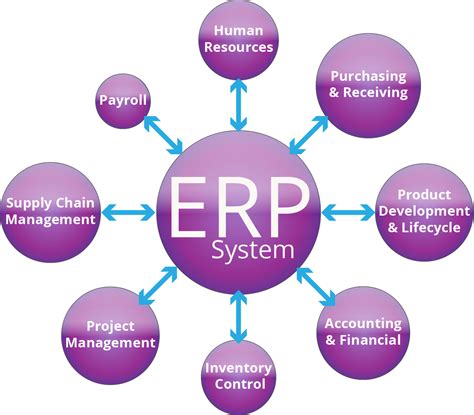
Tag: operations

  • Erp Software For Hospital

    Erp Software For Hospital

    Hey there, hospital administrators! Are you tired of juggling multiple software systems and struggling to keep track of all the operations in your healthcare facility? Streamlining hospital operations with ERP software might just be the solution you’re looking for. From managing patient records to tracking inventory and scheduling appointments, ERP software can help simplify and centralize all your hospital’s essential functions. Let’s explore how implementing ERP software can revolutionize the way your hospital operates!
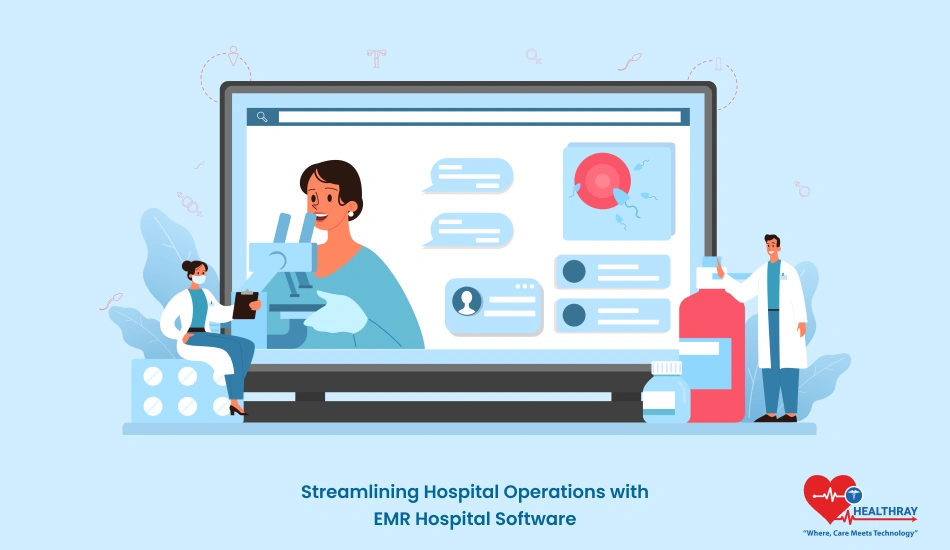
    Streamlining Hospital Operations with ERP Software

    Implementation of ERP Software in Hospitals

    Implementing ERP software in hospitals can be a game changer for improving efficiency and quality of patient care. However, the process of implementing ERP software in a hospital setting can be complex and challenging. It requires careful planning, coordination, and involvement of key stakeholders to ensure a successful transition.

    The first step in implementing ERP software in a hospital is to assess the current systems and processes in place. This involves identifying existing inefficiencies, bottlenecks, and areas for improvement. Hospital administrators need to conduct a thorough analysis of their current operations to determine the specific needs and requirements for the ERP system.

    Once the hospital has identified its requirements, the next step is to select the right ERP software vendor. It is crucial to choose a vendor that understands the unique needs of the healthcare industry and has experience in implementing ERP systems in hospital settings. The vendor should also provide adequate training and support to ensure a smooth implementation process.

    Also read :

    Erp Systems For Small To Medium Business

    After selecting a vendor, the hospital needs to create a detailed implementation plan. This plan should outline the timeline, budget, resources, and responsibilities for each phase of the implementation process. It is important to involve key stakeholders, such as department heads, IT staff, and frontline healthcare workers, in the planning process to ensure buy-in and cooperation.

    Training is another critical component of implementing ERP software in hospitals. Hospital staff need to be properly trained on how to use the new system effectively. This training should be ongoing and tailored to the specific roles and responsibilities of each employee. In addition to formal training sessions, hospitals should provide access to user manuals, online resources, and technical support to help staff navigate the system.

    During the implementation process, hospitals may encounter unexpected challenges and obstacles. It is important to have a dedicated project team in place to address any issues that arise and make necessary adjustments to the implementation plan. Regular communication and feedback loops are essential to ensure that the implementation stays on track and meets the hospital’s goals and objectives.

    After the ERP software has been fully implemented, hospitals should continue to monitor and evaluate its performance. Regular audits and assessments can help identify areas for improvement and optimization. Hospitals should also seek feedback from staff and patients to gauge their satisfaction with the new system and make any necessary adjustments.

    Also read :

    Erp Software Platform

    In conclusion, implementing ERP software in hospitals can streamline operations, improve patient care, and enhance overall efficiency. By carefully planning, selecting the right vendor, training staff, and monitoring performance, hospitals can successfully transition to a more integrated and effective system.

    Key Features and Benefits of ERP for Hospital Management

    Implementing an ERP software system in a hospital setting can bring numerous benefits and features that can streamline operations, improve efficiency, and enhance patient care. Let’s take a closer look at some of the key features and benefits of ERP for hospital management.

    1. Streamlined Operations: One of the primary benefits of ERP software for hospitals is its ability to streamline operations. With an integrated system that connects different departments, healthcare providers can easily access important information and communicate effectively. This leads to faster decision-making, reduced errors, and improved overall efficiency.

    2. Enhanced Data Management: ERP systems for hospitals offer robust data management capabilities, allowing healthcare providers to store, track, and analyze vast amounts of patient data. This centralized approach to data management ensures that all information is accurate, up-to-date, and easily accessible. With real-time insights and analytics, hospitals can make informed decisions and improve patient outcomes.

    3. Improved Patient Care: By streamlining operations and enhancing data management, ERP software can ultimately improve patient care. Healthcare providers can access patient records quickly, coordinate care more effectively, and ensure that the right treatment is administered at the right time. This results in better outcomes for patients and a higher level of satisfaction.

    Also read :

    Multiview Erp

    4. Cost Savings: Implementing an ERP system in a hospital can lead to significant cost savings in the long run. By automating processes, reducing manual errors, and optimizing resource allocation, hospitals can operate more efficiently and minimize unnecessary expenses. This not only saves money but also ensures that resources are used effectively to benefit patient care.

    5. Regulatory Compliance: ERPs for hospital management often come equipped with features that help ensure regulatory compliance. With built-in tools for tracking and reporting on compliance standards, hospitals can easily demonstrate adherence to laws and regulations. This reduces the risk of penalties and legal issues, providing peace of mind for healthcare providers and patients alike.

    6. Scalability and Flexibility: Another key feature of ERP software for hospitals is its scalability and flexibility. As healthcare organizations grow and evolve, ERP systems can adapt to changing needs and requirements. This allows hospitals to expand their operations, add new services, or accommodate increased patient volumes without disrupting existing workflows.

    Overall, ERP software offers a wide range of features and benefits for hospital management. From streamlining operations and enhancing data management to improving patient care and ensuring regulatory compliance, implementing an ERP system can revolutionize the way healthcare providers deliver services. By leveraging the power of technology, hospitals can operate more efficiently, reduce costs, and ultimately enhance the quality of care for their patients.

    Also read :

    Erp Product Management

    Integrating ERP with Electronic Health Records (EHR) Systems

    ERP software for hospitals plays a crucial role in streamlining operations, managing resources efficiently, and ultimately improving patient care. When it comes to integrating ERP with Electronic Health Records (EHR) systems, the benefits are even greater. EHR systems hold important patient data, clinical notes, lab results, prescriptions, and more. By seamlessly integrating ERP with EHR systems, hospitals can improve data accuracy, enhance communication between departments, and increase overall efficiency.

    One of the key advantages of integrating ERP with EHR systems is the ability to centralize and automate data management processes. With both systems working together, hospital staff can access and update patient information in real-time, reducing the risk of errors and improving the quality of care. For example, when a patient’s demographic information is updated in the ERP system, it will automatically sync with the EHR system, ensuring that all departments have access to the most current information.

    Another benefit of integrating ERP with EHR systems is improved efficiency in billing and revenue cycle management. By integrating these two systems, hospitals can streamline the process of capturing charges, submitting claims, and processing payments. This not only speeds up the billing cycle but also reduces the risk of billing errors and delays. Additionally, hospitals can better track and analyze financial data, helping them make informed decisions and optimize revenue generation.

    Also read :

    Erp Manufacturing Company

    Furthermore, the integration of ERP with EHR systems enables hospitals to enhance patient care coordination. With both systems sharing data seamlessly, healthcare providers can collaborate more effectively, resulting in improved communication and better patient outcomes. For example, a physician can quickly access a patient’s medical history, lab results, and treatment plans through the EHR system, allowing them to make informed decisions and provide personalized care.

    Additionally, the integration of ERP with EHR systems can help hospitals comply with regulatory requirements and industry standards. By consolidating data management processes and ensuring data integrity, hospitals can easily generate reports, track key performance indicators, and demonstrate compliance with regulations such as HIPAA. This not only reduces the risk of fines and penalties but also builds trust with patients and ensures the security and privacy of their data.

    In conclusion, integrating ERP with Electronic Health Records (EHR) systems is essential for modern hospitals looking to enhance operational efficiency, improve patient care, and ensure regulatory compliance. By centralizing data management, streamlining billing processes, enhancing care coordination, and maintaining data integrity, hospitals can achieve significant benefits and deliver better healthcare services to their patients.

    Choosing the Right ERP Software for Hospital Operations

    When it comes to implementing ERP software for hospital operations, it is crucial to choose the right solution that meets the specific needs and requirements of the healthcare facility. The selection process can be overwhelming, considering the variety of options available in the market. However, by following some key considerations, hospitals can narrow down their choices and find the best ERP software for their operations.

    Also read :

    Erp Software Platform

    One of the most important factors to consider when choosing ERP software for hospital operations is the scalability of the solution. Hospitals are dynamic environments that are constantly growing and evolving. Therefore, it is essential to select an ERP system that can adapt to the changing needs of the hospital. Scalability ensures that the software can accommodate an increase in patient volume, expansion of services, and other operational changes without compromising performance.

    Another critical factor to consider is the integration capabilities of the ERP software. Hospital operations involve a wide range of departments, from patient care to billing and inventory management. An integrated ERP system allows for seamless communication and data sharing between different departments, improving efficiency and reducing errors. Hospitals should look for a solution that can easily integrate with existing systems and third-party applications to streamline workflows and enhance collaboration across departments.

    Usability is also a key consideration when selecting ERP software for hospital operations. The system should be user-friendly and intuitive, allowing staff members to quickly learn and navigate the software with minimal training. A user-friendly interface enhances productivity and reduces the likelihood of errors, ultimately improving patient care and satisfaction. Hospitals should also consider the level of support and training provided by the ERP vendor to ensure a smooth implementation process and ongoing success.

    Also read :

    Multiview Erp

    Furthermore, hospitals must evaluate the security features of the ERP software to protect patient data and ensure compliance with healthcare regulations. Data breaches and cybersecurity threats are significant concerns for healthcare organizations, making security a top priority when selecting an ERP system. Hospitals should look for software that offers robust security measures, such as encryption, access controls, and regular security updates, to safeguard sensitive information and maintain patient confidentiality.

    In conclusion, choosing the right ERP software for hospital operations is a critical decision that can impact the efficiency, quality of care, and overall success of the healthcare facility. By considering factors such as scalability, integration capabilities, usability, and security, hospitals can select a solution that meets their specific needs and helps them achieve their operational goals. With the right ERP software in place, hospitals can streamline processes, improve communication, and deliver high-quality care to patients.

    Overcoming Challenges in Implementing ERP in a Hospital Setting

    Implementing ERP software in a hospital setting comes with its own set of challenges. Hospitals are complex organizations with various departments and functions that need to work together seamlessly. Here are some common challenges hospitals face when implementing ERP software and how they can overcome them:

    1. Resistance to Change: One of the biggest challenges hospitals face when implementing ERP software is resistance to change from staff. Employees may be comfortable with their existing processes and reluctant to adopt new technology. To overcome this challenge, hospitals should involve staff in the decision-making process and provide training and support to help them transition to the new system.

    Also read :

    Erp Business Software

    2. Integration of Systems: Hospitals typically have multiple systems in place for different departments, such as billing, scheduling, and patient records. Integrating these systems with an ERP software can be a complex process. Hospitals can overcome this challenge by working with a vendor that specializes in healthcare ERP solutions and has experience with system integration.

    3. Data Security: Hospitals deal with sensitive patient information that needs to be protected at all costs. Implementing ERP software can pose security risks if not implemented properly. Hospitals can address this challenge by conducting thorough security assessments, implementing encryption protocols, and providing staff with security training.

    4. Customization Needs: Every hospital has its own unique processes and workflows that may not fit out-of-the-box ERP solutions. Customizing the software to meet the hospital’s specific needs can be time-consuming and costly. Hospitals should work closely with their ERP vendor to identify customization needs early on and create a plan for implementation.

    5. Cost of Implementation: One of the most significant challenges hospitals face when implementing ERP software is the cost. ERP systems can be expensive to purchase, customize, and maintain. Additionally, hospitals may face unforeseen costs during the implementation process. To overcome this challenge, hospitals should conduct a thorough cost-benefit analysis, create a detailed budget, and consider cost-saving measures such as cloud-based ERP solutions or financing options.

    Also read :

    Erp Product Management

    In conclusion, implementing ERP software in a hospital setting can be a complex and challenging process. By addressing common challenges such as resistance to change, system integration, data security, customization needs, and cost considerations, hospitals can successfully implement an ERP system that improves efficiency, productivity, and patient care.
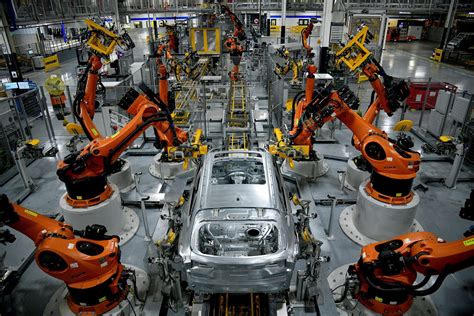
  • Erp Manufacturing Company

    Erp Manufacturing Company

    Welcome, manufacturing professionals! In today’s fast-paced industry, the need for efficiency and productivity is more crucial than ever. This is where Enterprise Resource Planning (ERP) systems come into play. ERP systems are powerful tools that help streamline operations, improve communication, and increase overall productivity for manufacturing companies. By integrating various business functions into one centralized system, ERP software can make processes more efficient, reduce errors, and provide real-time data for better decision-making. Let’s delve into the role of ERP in boosting efficiency and productivity for manufacturing companies.

    Manufacturing

    Implementation of ERP system in a manufacturing company

    Implementing an ERP system in a manufacturing company is a crucial step towards streamlining operations, increasing efficiency, and improving overall business processes. The process of implementing an ERP system can be complex and challenging, but with proper planning and execution, the benefits can far outweigh the initial obstacles.

    The first step in implementing an ERP system is to thoroughly assess the current state of the company’s operations. This includes identifying areas of inefficiency, bottlenecks, and opportunities for improvement. By conducting a comprehensive evaluation of the existing systems and processes, decision-makers can gain a better understanding of the specific needs and requirements that the new ERP system should address. This step is essential for setting clear goals and objectives for the implementation process.

    Also read :

    Erp Product Management

    After conducting a thorough assessment, the next step is to select an ERP system that best fits the needs of the manufacturing company. This involves researching different ERP software vendors, evaluating their offerings, and choosing a solution that aligns with the company’s requirements and budget. It is important to involve key stakeholders from various departments in the decision-making process to ensure that the chosen ERP system meets the needs of all users and functions within the organization.

    Once the ERP system has been selected, the implementation phase begins. This is perhaps the most crucial stage of the process, as it involves configuring the system to meet the company’s specific requirements, migrating data from existing systems, training employees, and testing the system before going live. It is essential to work closely with the ERP vendor and implementation team to ensure that the system is set up correctly and that all user interfaces and functions work seamlessly.

    Training employees on the new ERP system is another critical step in the implementation process. Many employees may be resistant to change or unfamiliar with ERP systems, so providing comprehensive training and ongoing support is essential for ensuring a smooth transition. By investing in thorough training programs and resources, companies can empower their employees to embrace the new system and maximize its benefits.

    Also read :

    Erp Product Management

    Finally, after the ERP system has been successfully implemented, it is important to continuously monitor and evaluate its performance. Regularly reviewing key performance indicators, collecting feedback from users, and making necessary adjustments are essential for ensuring the long-term success of the system. By staying proactive and responsive to changing business needs, manufacturing companies can optimize their ERP system and drive continuous improvement across all areas of the organization.

    Streamlining production processes with ERP technology

    When it comes to improving efficiency and productivity in manufacturing, ERP technology plays a key role in streamlining production processes. ERP, or Enterprise Resource Planning, is a system that integrates various departments and functions within a company into a single, centralized database. This allows for real-time visibility and communication across different areas of the business, including supply chain management, production planning, inventory control, and more.

    One of the main benefits of using ERP technology in manufacturing is the ability to automate repetitive tasks and processes. This not only saves time and reduces the risk of human error, but it also allows employees to focus on more strategic tasks that can drive innovation and growth. For example, with ERP software, production schedules can be automatically generated based on demand forecasts, inventory levels, and machine capacity, ensuring that resources are allocated efficiently and production runs smoothly.

    Also read :

    Erp Software Platform

    Another advantage of ERP technology is its ability to provide real-time data and analytics, allowing manufacturing companies to make informed decisions quickly. By centralizing all data in one system, managers can easily track key performance indicators (KPIs), monitor production progress, and identify areas for improvement. This visibility into the production process enables companies to optimize workflows, reduce waste, and meet delivery deadlines more effectively.

    Furthermore, ERP technology helps to improve communication and collaboration among different departments within a manufacturing company. With all employees accessing the same system, information flows more freely between teams, leading to better coordination and alignment of goals. For example, when a sales order is entered into the system, production teams can immediately see the requirements and adjust their schedules accordingly, reducing lead times and improving customer satisfaction.

    In addition, ERP systems provide greater traceability and compliance in manufacturing processes. By tracking raw materials, components, and finished products throughout the production cycle, companies can ensure quality control and meet regulatory requirements. This level of transparency not only increases customer trust but also helps to identify opportunities for continuous improvement and innovation.

    In conclusion, by leveraging ERP technology in manufacturing, companies can streamline production processes, improve efficiency, and drive growth. With automation, real-time visibility, communication, and compliance capabilities, ERP systems enable businesses to stay competitive in today’s fast-paced global market. Whether it’s optimizing resources, making data-driven decisions, or enhancing collaboration, ERP technology is a powerful tool for transforming manufacturing operations and achieving sustainable success.

    Also read :

    Iot And Erp

    Benefits of utilizing ERP software in the manufacturing industry

    ERP (Enterprise Resource Planning) software has revolutionized the way manufacturing companies operate. By implementing ERP systems, companies can streamline their processes, improve efficiency, and increase profitability. There are numerous benefits to utilizing ERP software in the manufacturing industry, including improved inventory management, increased production capacity, and enhanced decision-making capabilities.

    One of the key benefits of utilizing ERP software in the manufacturing industry is improved inventory management. With an ERP system in place, companies can track their inventory levels in real-time, allowing them to optimize their supply chain and ensure they always have the right amount of materials on hand. This leads to reduced stockouts, lower carrying costs, and improved overall efficiency in the manufacturing process.

    Another significant benefit of ERP software in the manufacturing industry is increased production capacity. By automating and streamlining various processes, such as order processing, scheduling, and production planning, ERP systems enable companies to ramp up their production levels without sacrificing quality. This results in higher output, faster turnaround times, and ultimately, increased revenue for the organization.

    Furthermore, ERP software empowers manufacturing companies with enhanced decision-making capabilities. By providing access to real-time data and analytics, ERP systems enable businesses to make informed decisions about everything from pricing and procurement to forecasting and resource allocation. This not only improves the company’s overall performance but also helps them stay ahead of the competition in a rapidly changing market.

    Also read :

    Erp Software Small Business

    In addition to these benefits, utilizing ERP software in the manufacturing industry also leads to improved communication and collaboration within the organization. With all departments and stakeholders working within the same system, information flows more freely, and teams can work together more efficiently towards common goals. This leads to a more cohesive and productive work environment, ultimately driving better results for the company as a whole.

    Overall, the benefits of utilizing ERP software in the manufacturing industry are undeniable. From improved inventory management and increased production capacity to enhanced decision-making capabilities and improved communication, ERP systems have the power to transform a company’s operations and drive significant growth. As technology continues to advance, it is essential for manufacturing companies to embrace ERP software to stay competitive in today’s fast-paced and ever-evolving market.

    Challenges faced by manufacturing companies during ERP implementation

    Implementing an ERP system in a manufacturing company can be a complex and daunting task. There are numerous challenges that companies face during the implementation process, which can hinder the successful adoption of the new system. In this article, we will discuss some of the key challenges that manufacturing companies commonly encounter when implementing an ERP system.

    1. Resistance to change:

    Also read :

    Erp Systems For Small To Medium Business

    One of the most common challenges that manufacturing companies face during ERP implementation is resistance to change from employees. Many employees are comfortable with their existing processes and may be apprehensive about the changes that come with implementing a new ERP system. This resistance can lead to delays in the implementation process and prevent the system from being fully utilized.

    2. Data migration issues:

    Another challenge that manufacturing companies face during ERP implementation is data migration issues. Migrating data from existing systems to the new ERP system can be a complex process, and if not done correctly, it can lead to data loss or corruption. It is important for companies to carefully plan and execute their data migration strategy to ensure a smooth transition to the new system.

    3. Integration with existing systems:

    Many manufacturing companies have existing systems in place that need to be integrated with the new ERP system. This can be a challenge, as different systems may use different data formats or have incompatible functionalities. Companies must carefully plan how they will integrate their existing systems with the new ERP system to ensure a seamless transition.

    4. Lack of training and support:

    One of the most critical challenges that manufacturing companies face during ERP implementation is a lack of training and support for employees. Many companies underestimate the importance of providing comprehensive training to employees on how to use the new ERP system effectively. Without adequate training, employees may struggle to adapt to the new system, leading to decreased productivity and frustration.

    Also read :

    Erp Product Management

    Companies should invest in training programs that provide employees with the knowledge and skills they need to successfully use the ERP system. In addition to training, companies should also provide ongoing support to employees as they use the system, such as help desk services or online resources. This support can help employees overcome any challenges they may face during the implementation process and ensure a successful adoption of the new ERP system.

    In conclusion, manufacturing companies face numerous challenges during ERP implementation, including resistance to change, data migration issues, integration with existing systems, and lack of training and support. By addressing these challenges proactively and investing in proper planning and resources, companies can overcome obstacles and successfully implement an ERP system that helps improve efficiency and productivity in their operations.

    Maximizing efficiency and productivity through ERP solutions

    Implementing an ERP system in a manufacturing company can greatly enhance efficiency and productivity. From streamlining processes to improving communication across departments, ERP solutions play a crucial role in helping businesses operate more effectively. Let’s delve deeper into how manufacturing companies can maximize their efficiency and productivity through the use of ERP solutions.

    1. Streamlining processes: One of the key benefits of an ERP system is its ability to streamline various processes within a manufacturing company. By integrating different functions such as inventory management, production planning, and order processing into a single platform, ERP solutions help eliminate redundant tasks and reduce the risk of errors. This not only saves time but also allows employees to focus on more strategic activities, ultimately increasing overall efficiency.

    Also read :

    Erp Software Platform

    2. Real-time data access: Another advantage of ERP solutions is the access to real-time data. By having up-to-date information on inventory levels, production schedules, and customer orders, manufacturing companies can make informed decisions quickly. This not only improves response times but also helps prevent delays and bottlenecks in the production process, leading to increased productivity.

    3. Enhanced collaboration: ERP systems facilitate better communication and collaboration among different departments within a manufacturing company. By providing a centralized platform for sharing information and updates, employees can work together more seamlessly and efficiently. This reduces the likelihood of misunderstandings or miscommunications, ultimately leading to smoother operations and improved productivity.

    4. Automation of repetitive tasks: ERP solutions automate many routine tasks, such as generating reports, tracking inventory levels, and processing orders. This not only saves time but also reduces the risk of human error. By automating these repetitive tasks, employees can focus on more value-added activities, such as analyzing data or solving complex problems, which can significantly improve overall efficiency and productivity.

    5. Improved supply chain management: Perhaps one of the most significant ways ERP solutions can maximize efficiency and productivity in a manufacturing company is through improved supply chain management. By integrating suppliers, distributors, and other partners into the ERP system, companies can better coordinate their activities, optimize inventory levels, and reduce lead times. This leads to a more responsive supply chain, which in turn allows manufacturing companies to meet customer demands more efficiently and effectively.

    Also read :

    Erp Systems For Small To Medium Business

    Overall, ERP solutions are essential for modern manufacturing companies looking to maximize efficiency and productivity. Whether through streamlining processes, providing real-time data access, enhancing collaboration, automating tasks, or improving supply chain management, ERP systems play a crucial role in helping businesses operate more effectively and competitively in today’s fast-paced market.

  • Erp System For Retail Business

    Erp System For Retail Business

    Welcome, dear reader! Are you a retail business owner looking to streamline your operations and increase efficiency? Look no further than implementing an ERP system. An ERP (Enterprise Resource Planning) system can revolutionize the way you manage your business processes, from inventory management to customer relations. By centralizing all your data and automating tasks, an ERP system can help you save time, reduce errors, and make more informed decisions. Let’s explore how an ERP system can enhance the efficiency of your retail business.

    ERP System

    Benefits of Implementing ERP in Retail Businesses

    Implementing an ERP system in a retail business can bring a multitude of benefits, revolutionizing the way operations are managed and improving overall efficiency. One of the main advantages is the centralization of data and processes. With an ERP system in place, data from different departments such as sales, inventory, and accounting can be integrated into one system, providing a holistic view of the business. This centralization eliminates the need for manual data entry and reduces the risk of errors.

    Another benefit of implementing an ERP system in a retail business is improved decision-making capabilities. With real-time data at their fingertips, managers and executives can make informed decisions quickly. They can analyze trends, track inventory levels, and identify opportunities for growth. This level of insight is crucial in today’s fast-paced retail environment where staying ahead of the competition is essential.

    Also read :

    Erp Business Software

    Efficiency is also a key advantage of using an ERP system in a retail business. By automating processes such as order management, inventory tracking, and financial reporting, employees can focus on more value-added tasks. This automation not only saves time but also improves accuracy, reducing the likelihood of human error.

    Furthermore, an ERP system can lead to cost savings for retail businesses. By streamlining operations and reducing manual work, businesses can cut down on labor costs. They can also optimize inventory levels, reducing holding costs and minimizing excess inventory. Additionally, with better insight into sales trends and customer behavior, businesses can tailor their marketing strategies, reducing costs associated with ineffective campaigns.

    Customer satisfaction is another benefit of implementing an ERP system in a retail business. With a centralized system, businesses can provide accurate and up-to-date information to customers, such as product availability and order status. This transparency builds trust and loyalty with customers, leading to repeat business and positive word-of-mouth referrals.

    In conclusion, the implementation of an ERP system in a retail business can bring a myriad of benefits. From centralizing data and processes to improving decision-making capabilities and efficiency, the advantages are clear. Furthermore, cost savings and increased customer satisfaction are additional perks that can have a significant impact on the bottom line. Overall, investing in an ERP system is a wise decision for any retail business looking to stay competitive in today’s market.

    Also read :

    Erp Software For Hospital

    Key Features to Look for in an ERP System for Retail

    When selecting an ERP system for a retail business, it is crucial to consider the key features that will best cater to the specific needs of the industry. Here are some essential features to look for:

    1. Inventory Management: One of the most important features of an ERP system for retail is robust inventory management capabilities. The system should be able to track inventory levels in real-time, provide insights into demand forecasting, and automate replenishment processes. This feature ensures that retailers can maintain optimal inventory levels, reduce stockouts, and improve overall operational efficiency.

    2. Sales and Customer Relationship Management: A good ERP system should have integrated sales and customer relationship management functionalities. This feature allows retailers to manage customer interactions, track sales performance, and personalize marketing campaigns. The system should also provide insights into customer behavior and preferences, enabling retailers to tailor their offerings to meet the demands of their target market.

    With advanced CRM capabilities, retailers can keep track of customer information, such as purchase history, feedback, and preferences. This enables them to provide personalized recommendations, discounts, and promotions to loyal customers, ultimately driving customer loyalty and retention. Additionally, integrated sales management allows retailers to monitor sales performance, analyze trends, and forecast future sales, helping them make informed business decisions and improve revenue generation.

    Also read :

    Erp Software Platform

    3. E-commerce Integration: In today’s digital age, e-commerce integration is crucial for retail businesses looking to expand their online presence. An ERP system with built-in e-commerce functionality allows retailers to seamlessly integrate their online and offline sales channels, ensuring a consistent and unified shopping experience for customers. This feature enables retailers to manage inventory, product listings, pricing, and promotions across all sales channels, simplifying operations and increasing overall efficiency.

    4. Reporting and Analytics: Another key feature to look for in an ERP system for retail is comprehensive reporting and analytics tools. The system should provide real-time insights into sales performance, inventory levels, customer behavior, and other key metrics, allowing retailers to make data-driven decisions and optimize their operations. With customizable reports and dashboards, retailers can monitor KPIs, track progress towards goals, and identify areas for improvement, ultimately driving business growth and profitability.

    5. Scalability and Flexibility: As retail businesses grow and evolve, they need an ERP system that can scale and adapt to their changing needs. Look for a system that is flexible and customizable, allowing retailers to add new features, modules, or integrations as needed. Additionally, the ERP system should be able to support multiple users, locations, and sales channels, accommodating the expanding operations of retail businesses.

    Also read :

    Erp Product Management

    Overall, selecting the right ERP system for a retail business is a critical decision that can have a significant impact on its success. By considering these key features and choosing a system that aligns with the specific needs and goals of the business, retailers can streamline their operations, improve customer satisfaction, and drive growth in today’s competitive retail landscape.

    Challenges of Integrating ERP in Retail Operations

    Integrating an ERP system into a retail business can be a daunting task, with a number of challenges that need to be addressed for a successful implementation. One of the biggest challenges is ensuring that the ERP system is compatible with the existing systems and processes within the retail organization. This can involve extensive data migration, customization, and training to ensure that the new system can seamlessly integrate with the current operations.

    Additionally, the sheer size and complexity of many ERP systems can pose a challenge for retail businesses, particularly smaller ones with limited resources. Implementing an ERP system requires a significant investment of time, money, and effort, and can be overwhelming for retailers who are not familiar with the technology.

    Another key challenge is managing the change that comes with implementing an ERP system. This can involve resistance from employees who are used to the old ways of doing things, as well as the need for new training and support to help them adapt to the new system. Without proper change management strategies in place, the implementation of an ERP system can lead to confusion, frustration, and even resistance from employees, hindering its success.

    Also read :

    Erp Product Management

    Furthermore, maintaining and updating an ERP system can be a challenge in itself. Retail businesses need to ensure that the system is constantly updated with the latest features and security patches to stay competitive and protect sensitive data. This requires a dedicated team of IT professionals to manage the system and address any issues that may arise, adding another layer of complexity to the integration process.

    In conclusion, integrating an ERP system into a retail business is no easy task, and comes with a number of challenges that need to be carefully managed. By addressing issues such as compatibility, complexity, change management, and system maintenance, retail businesses can successfully implement an ERP system and reap the benefits of improved efficiency, data accuracy, and decision-making. With proper planning, support, and training, retailers can navigate these challenges and leverage ERP technology to optimize their operations and drive growth.

    Case Studies of Successful ERP Implementation in Retail

    Implementing an ERP system in a retail business can be a game-changer, streamlining operations, improving efficiency, and providing valuable insights for decision-making. Here are a few case studies of successful ERP implementation in the retail industry:

    1. Walmart: Walmart, one of the largest retail chains in the world, implemented an ERP system that enabled them to improve inventory management, streamline their supply chain, and enhance customer service. The system allowed for better coordination between their online and offline stores, ensuring that customers received a seamless shopping experience across all platforms. As a result, Walmart saw an increase in sales and customer satisfaction levels.

    Also read :

    Erp Manufacturing Company

    2. Target: Target, another major player in the retail industry, successfully implemented an ERP system to integrate their processes and data across multiple departments. This allowed them to better track inventory, analyze sales trends, and make informed decisions about pricing and promotions. With the help of their ERP system, Target was able to improve their overall performance and stay competitive in the market.

    3. Amazon: Amazon, known for its innovative approach to e-commerce, implemented an ERP system that revolutionized their operations. The system provided real-time data on inventory levels, sales performance, and customer behavior, enabling them to make quick decisions and adapt to changing market conditions. With the help of their ERP system, Amazon was able to grow rapidly and expand into new markets while maintaining their high level of customer service.

    4. Nordstrom: Nordstrom, a luxury department store chain, implemented an ERP system to enhance their customer experience and optimize their supply chain. The system allowed them to track customer preferences and purchase history, personalize their marketing efforts, and improve inventory management. As a result, Nordstrom was able to increase customer loyalty, drive sales, and stay ahead of the competition in the retail industry.

    These case studies demonstrate the significant benefits of implementing an ERP system in a retail business. From improving efficiency and customer service to optimizing inventory management and decision-making, an ERP system can help retailers stay competitive and achieve long-term success in today’s fast-paced market.

    Also read :

    Erp Systems For Small To Medium Business

    How ERP Systems Improve Efficiency and Customer Satisfaction in Retail Businesses

    ERP systems have become an essential tool for retail businesses looking to streamline their operations and improve customer satisfaction. These systems offer a range of benefits that can help retailers enhance efficiency and provide a better overall shopping experience for their customers.

    One of the key ways in which ERP systems improve efficiency in retail businesses is by centralizing data and processes. With an ERP system in place, retailers can consolidate all of their important information – including sales data, inventory levels, and customer preferences – into a single, integrated platform. This allows for better communication and coordination between different departments, reducing the amount of time and effort spent on manual data entry and reconciliation.

    ERP systems also help retailers optimize their supply chain management by providing real-time visibility into inventory levels and demand forecasting. By automating the process of tracking and ordering inventory, retailers can ensure that they always have the right products in stock to meet customer demand. This not only helps to prevent stockouts and overstock situations but also allows retailers to improve their cash flow by minimizing excess inventory.

    In addition to improving efficiency, ERP systems can also have a significant impact on customer satisfaction. By centralizing customer data and tracking their interactions with the business, retailers can gain valuable insights into their preferences and behavior. This information can then be used to personalize the shopping experience for each customer, leading to higher levels of engagement and loyalty.

    Also read :

    Erp Systems For Small To Medium Business

    Furthermore, ERP systems can help retailers provide better customer service by enabling them to respond quickly to inquiries and resolve issues in a timely manner. By consolidating customer data and communication channels, retailers can ensure that all customer interactions are handled efficiently and professionally, leading to higher levels of satisfaction and repeat business.

    Overall, ERP systems play a crucial role in improving efficiency and customer satisfaction in retail businesses. By centralizing data and processes, optimizing supply chain management, and providing valuable insights into customer behavior, these systems help retailers enhance their operations and deliver a better shopping experience for their customers.