Tag: passive income

  • Cryptocurrency vs. Real Estate: Where Should You Invest in 2025?

    In 2025, investors—especially beginners—are facing a tough choice: Should you invest in something cutting-edge like cryptocurrency or stick to a time-tested asset like real estate?

    Cryptocurrency is known for explosive gains, decentralization, and digital innovation. On the other hand, real estate offers tangible assets, steady cash flow, and long-term security. Both have produced millionaires. Both come with risks. So how do you decide which is right for you?

    This guide explores the pros, cons, risks, and returns of crypto and real estate in 2025 to help you make an informed investment decision.

    Crypto vs Real Estate

    Cryptocurrency in 2025: The New-Age InvestmentWhat is Cryptocurrency?

    Cryptocurrency is a decentralized form of digital currency built on blockchain technology. Bitcoin, Ethereum, and thousands of altcoins now form a multi-trillion-dollar market.

    Cryptocurrency 2025

    Pros of Investing in Cryptocurrency

    • High potential returns
    • 24/7 liquidity
    • Easy accessibility via apps and exchanges
    • Decentralized structure with no central authority
    • Can serve as a hedge against inflation

    Cons of Investing in Cryptocurrency

    • Highly volatile markets
    • Security concerns including hacking and scams
    • Regulatory uncertainty
    • Emotional trading decisions based on hype

    Real Estate in 2025: A Traditional Asset with Modern Appeal

    Why Real Estate Still Matters

    Real estate continues to be a cornerstone of wealth generation. From family homes to rental units and commercial buildings, it provides steady returns and physical assets.

    Real Estate Investment 2025

    Pros of Investing in Real Estate

    • Tangible, physical asset
    • Generates consistent rental income
    • Offers tax advantages
    • Can be leveraged through financing
    • Historically appreciates over time

    Cons of Investing in Real Estate

    • High entry cost
    • Low liquidity
    • Maintenance and property management required
    • Market conditions vary by location
    • Vulnerable to interest rate changes

    Side-by-Side Comparison: Crypto vs. Real Estate

    CriteriaCryptocurrencyReal Estate
    LiquidityHigh (24/7 trading)Low (longer selling process)
    VolatilityVery highLow to moderate
    AccessibilityEasy with mobile appsModerate (legal and financial setup)
    Passive IncomeStaking/yield farmingRental income
    Capital RequiredLow (start with $10)High (typically needs down payment)
    SecurityProne to cyber risksInsurable and tangible

    Use Case Scenarios

    26-Year-Old Freelancer

    Goal: Build wealth using small monthly investments
    Choice: Invests $200/month in Bitcoin and Ethereum
    Why: High growth potential and easy entry

    40-Year-Old Couple

    Goal: Passive income and retirement planning
    Choice: Purchases a duplex and rents one unit
    Why: Steady cash flow, tax savings, and security

    👨‍💼 35-Year-Old Entrepreneur

    Goal: Diversification
    Choice: 60% real estate and 40% crypto
    Why: Balanced strategy to manage risk and growth

    2025 Investment Trends

    Crypto

    • Growing government regulation
    • Rise of tokenized assets like real estate NFTs
    • Increased DeFi opportunities
    • Launch of Central Bank Digital Currencies (CBDCs)

    Real Estate

    • Fractional ownership via apps and platforms
    • Smart and automated property management
    • Green/eco-certified properties gaining popularity
    • REITs attracting passive investors

    Which One Should You Choose?

    It depends on your financial goals, risk tolerance, and investment horizon. Consider the table below for guidance:

    Investor GoalRecommended Investment
    High liquidity and low capitalCryptocurrency
    Steady cash flow and tax savingsReal Estate
    Long-term growth and stabilityReal Estate
    High-risk, high-reward potentialCryptocurrency
    DiversificationBoth

    Conclusion

    In 2025, cryptocurrency and real estate both offer compelling reasons to invest. Crypto brings speed, accessibility, and high returns—but with greater volatility. Real estate offers long-term growth, stability, and passive income—but needs more capital and patience.

    The smartest approach? Consider blending both into your portfolio. Let crypto bring fast gains and let real estate build steady wealth.

  • Top 10 Investment Strategies for Beginners in 2025

    If you’ve been thinking about growing your money instead of just saving it, you’re not alone. With rising inflation, a fluctuating job market, and an increasing cost of living, investing is no longer a luxury—it’s a necessity.

    For beginners, the idea of putting your hard-earned money into the stock market, mutual funds, or real estate can feel overwhelming. Where do you start? What’s safe? How much should you invest?

    The good news? You don’t need to be a financial expert or have thousands of dollars to begin. In fact, 2025 has brought more beginner-friendly investment tools and platforms than ever. This guide breaks down 10 smart, low-risk strategies to kickstart your investment journey.

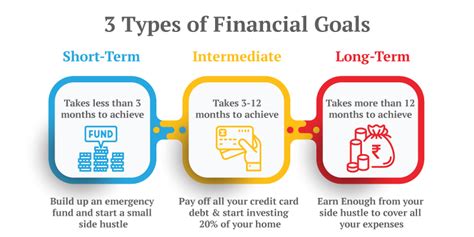
    1. Set Clear Financial Goals

    Before investing, define your “why.” Are you saving for a home? Planning early retirement? Creating long-term wealth?

    Setting clear goals helps determine:

    • Your risk tolerance
    • Ideal investment timeline
    • Asset types to choose

    Pro Tip: Break your goals into short-term (1–3 years), medium-term (3–7 years), and long-term (7+ years).

    financial goals

    2. Build an Emergency Fund First

    Before you invest, secure your foundation. An emergency fund protects you from life’s unexpected surprises—like medical bills or sudden job loss.

    Recommended amount: 3 to 6 months of essential living expenses

    Where to store it?

    • High-yield savings accounts
    • Liquid mutual funds
    • Money market accounts
    emergency fund

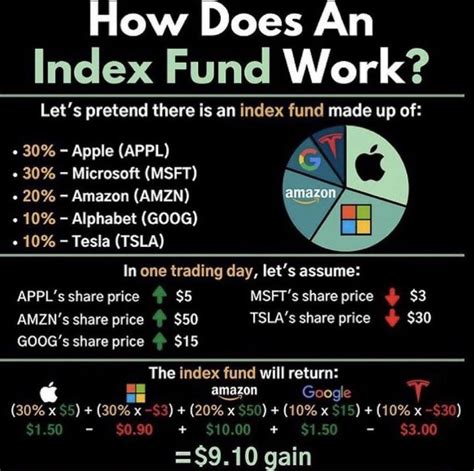
    3. Start with Index Funds or ETFs

    Don’t try to pick the next Amazon. Instead, start with index funds or exchange-traded funds (ETFs)—diverse bundles of stocks that track a specific index like the S&P 500 or Nifty 50.

    Why they’re beginner-friendly:

    • Diversified = lower risk
    • Low fees
    • Consistent historical returns

    Popular platforms: Vanguard, Zerodha, Groww, Robinhood

    index funds and ETFs

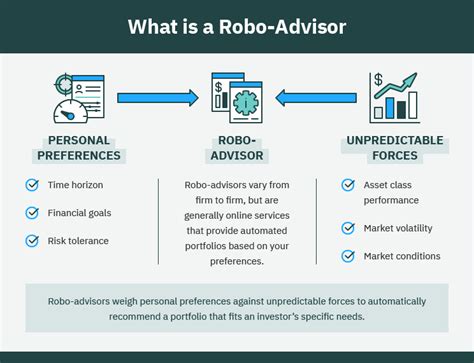
    4. Use Robo-Advisors for Automated Investing

    No time or expertise? Robo-advisors do the work for you.

    You answer a few questions, and the platform builds and manages your portfolio using algorithms.

    Benefits:

    • Start with low amounts
    • Automatic rebalancing
    • Lower fees than traditional advisors

    Try: Betterment, INDmoney, Wealthfront

    robo advisor investing

    5. Take Advantage of Retirement Accounts

    The earlier you invest in retirement, the bigger your gains thanks to compounding.

    Tax-saving accounts by country:

    • USA: Roth IRA, 401(k)
    • India: PPF, NPS
    • UK: ISA
    • Canada: RRSP, TFSA

    Even $50/month invested early can turn into six figures by retirement.

    retirement investment

    6. Invest in Fractional Shares or SIPs

    Don’t have thousands to invest? No problem.

    With fractional shares, you can invest in big companies like Apple or Tesla with just a few dollars. In India, use Systematic Investment Plans (SIPs) to invest monthly in mutual funds.

    Why it works:

    • Builds consistency
    • Removes market timing stress
    • Great for tight budgets
    fractional shares and SIPs

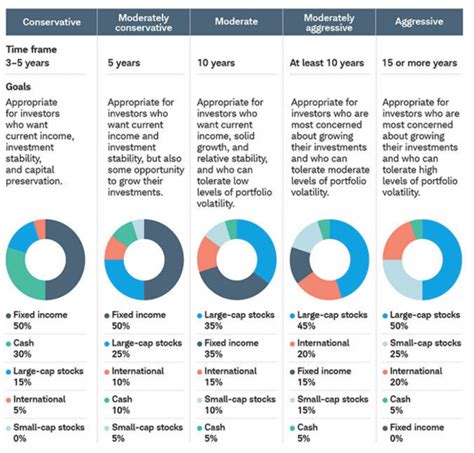
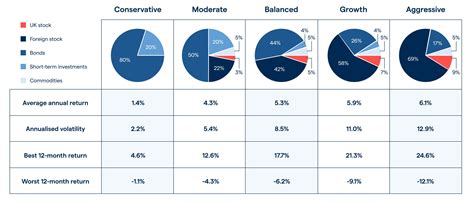
    7. Diversify Across Asset Classes

    Don’t put all your eggs in one basket.

    Diversifying means spreading your money across different types of investments, so your portfolio doesn’t sink if one area crashes.

    Mix of asset classes:

    • Stocks & ETFs
    • Bonds or debt funds
    • Real estate
    • Gold or commodities
    • Crypto (in moderation)
    diversified investment portfolio

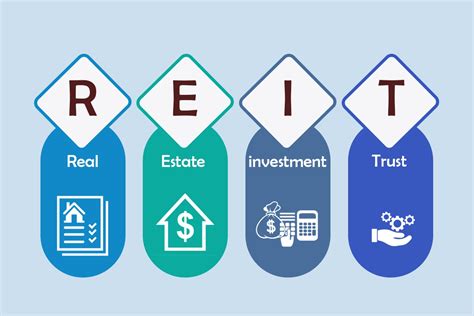
    8. Explore REITs (Real Estate Investment Trusts)

    Want real estate exposure without buying a property? Try REITs.

    These are companies that own or finance income-producing properties. You earn returns from rental income and appreciation—without the headache of being a landlord.

    Benefits:

    • Low capital needed
    • Regular dividend income
    • Traded like stocks (liquid)
    REIT investment

    9. Learn Before You Invest

    Don’t invest blindly. Use 2025’s free tools and resources to build your confidence.

    Learn from:

    • YouTube (Pranjal Kamra, Rachana Ranade)
    • Podcasts (BiggerPockets, The Money Guy Show)
    • Books (Rich Dad Poor Dad, The Psychology of Money)

    🎯 The more you know, the fewer mistakes you’ll make.

    learn about investing

    10. Stay Consistent and Think Long-Term

    Forget quick wins. Think long-term. The key to building wealth is consistency—not luck.

    Follow this mindset:

    • Invest regularly (even in downturns)
    • Don’t panic-sell
    • Be patient. Let compounding work

    ⏳ “Time in the market beats timing the market.”

    long-term investment strategy

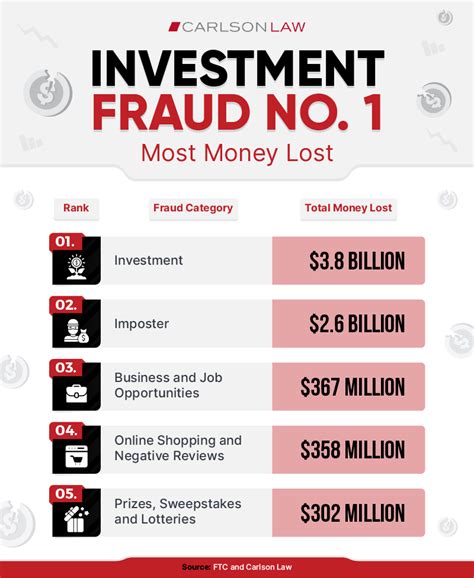
    Bonus Tip: Avoid High Fees and Scams

    High-fee advisors or too-good-to-be-true schemes can kill your returns.

    Protect yourself:

    • Use trusted platforms
    • Stick with low-cost funds
    • Don’t trust unregulated tips or influencers promising guaranteed gains
    investment scam warning